


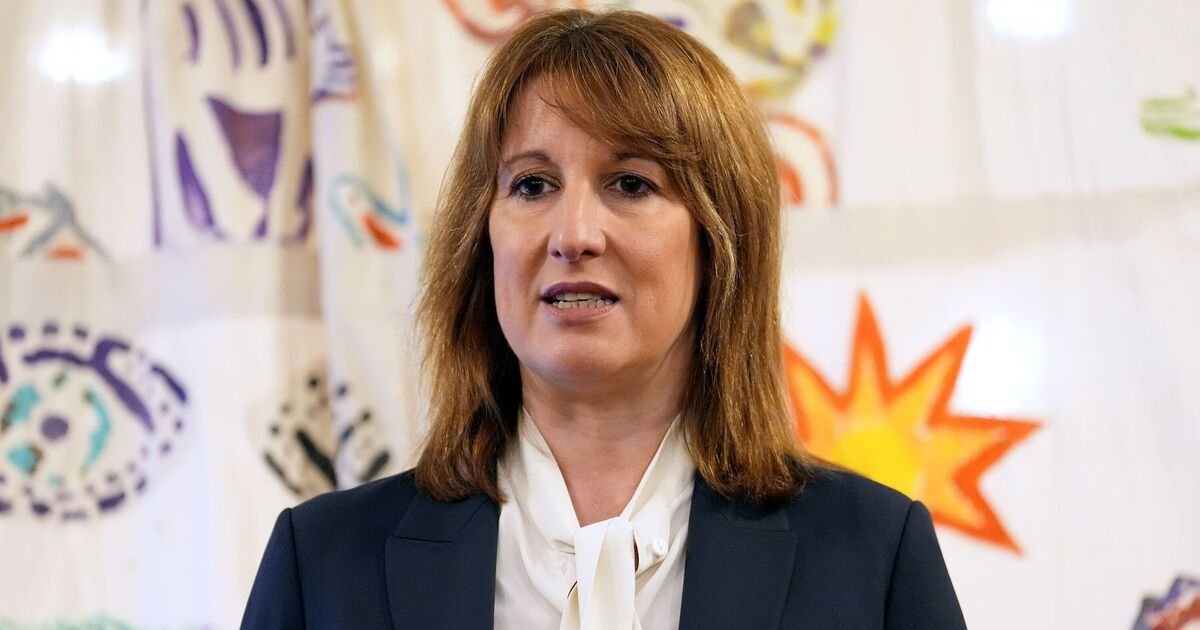
Rachel Reeves is facing a fresh tax crisis after experts warned that her £22 billion tax buffer has been largely wiped out just weeks after her Budget. Ms Reeves sparked fury in November when she raised taxes by £26.6 billion, largely to increase the size of her so-called ‘fiscal headroom’.
This is the buffer between everything the government spends and raises in tax, and must be kept in the black if Ms Reeves is to adhere to her own rules about how much the government borrows. After criticism she set the buffer too low in her first Budget, she hiked taxes by billions to create a much larger £22 billion fiscal buffer to protect her from any international financial shocks, or further government spending u-turns. However experts are warning that this sum has already been slashed by nearly two thirds amid the government’s reversal of plans for a family farms tax and business rates for pubs.
Another sizeable chunk has also been wiped out amid new projects that immigration is to fall dramatically over the coming years.
According to Bloomberg Economics, with net migration on track to fall by 100,000 a year, this will cut tax receipts by around £9 billion, just shy of a third of the Chancellor’s total headroom.
Further concerns are rising about the government commitment to increasing defence spending, which is thus far unaccounted for.
Sir Keir has pledged to hike spending to 2.5% of GDP in the coming years, however it has now emerged that government funding for the pledge is £28 billion shy of what is needed – around £7 billion every year.
On top of this Ms Reeves committed to water down business rates on pubs last week after a backbench revolt by Labour MPs, set to cost her £300 million.
She also announced over Christmas that she would raise the threshold at which family farms are forced to start paying inheritance tax, up from £1 million to £2.5 million, at a cost of £130 million.
Former Bank of England rate-setter Michael Saunders told Bloomberg: “In the short term, they don’t seem to be able to implement as much fiscal tightening as they planned.
“That raises the risk they won’t be able to stick to the full scale of tightening for the next few years either.”
The OBR has also taken aim at the government’s defence spending plans, warning that they “won’t be plausible” at the forthcoming Spring Statement.