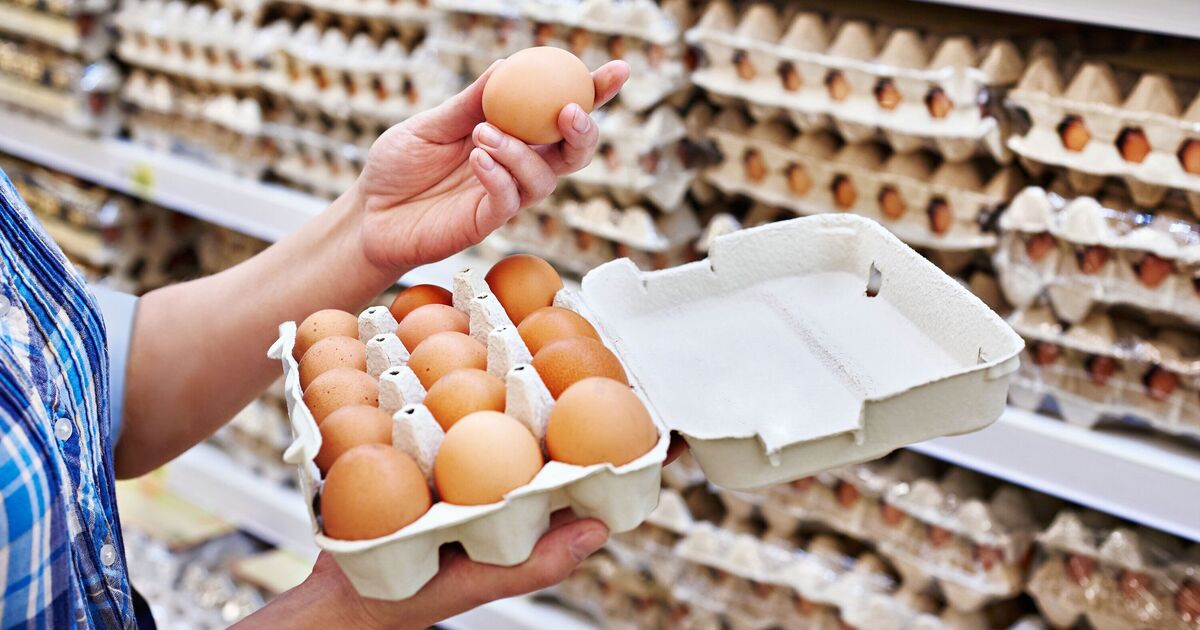

Eggs are a staple in most UK kitchens. Whether boiled, scrambled, fried or used in cakes, it’s hard to find someone who doesn’t enjoy them in some form. They’re packed with protein, easy to cook, and work in all kinds of meals from breakfast to dessert. But despite their popularity, many shoppers may not realise that the safety of eggs can vary depending on how they were produced.
While most eggs sold in the UK are safe to eat, not all are created equal when it comes to food safety, especially for young children, pregnant women, the elderly and those with weaker immune systems. This is why it’s important to pay close attention to where your eggs come from, particularly if you enjoy them runny or raw.
According to Egginfo.co.uk, more than 90% of UK eggs are now produced under a food safety scheme that’s been credited with drastically reducing the presence of salmonella.
Since launching in 1998, it’s helped ensure more than 200 billion eggs have been sold safely across the country.
This small but powerful sign is the British Lion mark, a red stamp usually found printed on the shell of the egg or on the box.
All eggs carrying the British Lion logo follow the strict rules of the British Lion Code of Practice – a system that guarantees every hen is vaccinated against salmonella and all eggs, hens and feed are fully traceable.
Eggs with this mark are available at all major supermarkets including Tesco, Aldi, Lidl, Sainsbury’s, Morrisons, Waitrose, and others.
Food Standards Scotland says: “Eggs are a good choice as part of a healthy, balanced diet.
“As well as being a source of protein they also contain vitamins and minerals. However, to avoid any risk of food poisoning from eggs it’s important to store, handle and prepare them properly.”
The organisation also explains that people in good health can eat raw or soft-boiled UK hen eggs.
But those in vulnerable groups, including children, the elderly, and pregnant women, should make sure they only eat eggs produced under the British Lion scheme or the Laid in Britain assurance scheme if the eggs are runny or raw.
Their advice says: “People in these groups can eat raw or lightly cooked UK hen eggs or foods containing them as long as the eggs are produced under the Lion Code with a British Lion mark or under the Laid in Britain egg assurance scheme.”
Anyone handling eggs is also urged to follow good hygiene, wash hands and utensils thoroughly, avoid eggs with cracked shells, and keep eggs away from other foods.
Duck, goose, and quail eggs should always be thoroughly cooked due to the higher risk of salmonella.
