


Airbnb landlords say they are ‘at a loss’ and out of ideas as their bookings slump.
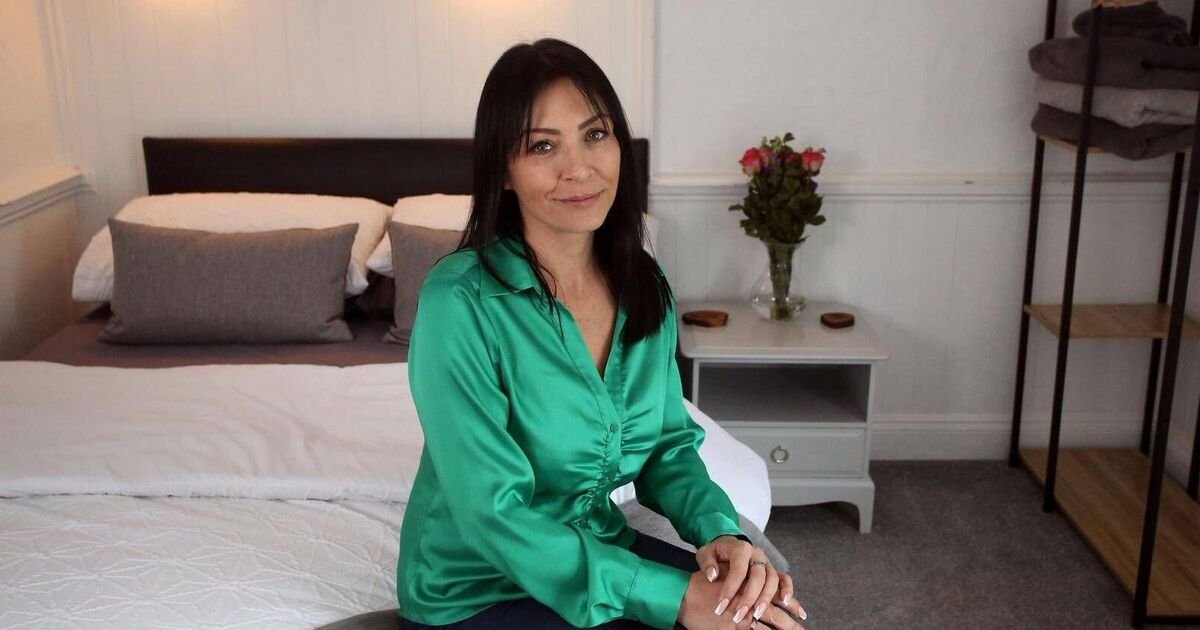
The festive season is typically a boom time for Victoria Borman. In the final three months of 2024, the property she lets out on Airbnb in St Neots, Cambridgeshire, was full 70% of the time. Fast forward 12 months, and she had just three short bookings across the final quarter.
“This stark contrast underscores the challenges we are facing,” she told the Express. According to Victoria, her fellow landlords have experienced similar slumps. Fewer people are coming and their profits are down.
“As a superhost and an active member of various Facebook groups for Airbnb hosts, I’ve observed that many of us are experiencing similar difficulties. Guests are becoming more price-sensitive and are now exploring options across various platforms rather than sticking to Airbnb alone,” she continued. “I find myself at a loss for effective strategies to boost bookings on the platform.”
While many Brits won’t shed a tear for the plight of the holiday let landlord, there are several reasons why they might be feeling the squeeze. One of them, as Victoria says, is that the market is “saturated.” Quite simply, there are more options for customers to choose from now. The number of Airbnb listings nearly doubled from 2018 to 2025, according to a Stayful estimate, from 223,000 to 396,427.
While the supply has been going up, demand has dipped. After the Covid pandemic, the number of Brits taking a holiday in the UK rocketed. Now, it has begun to fall. Visit Britain data show that in the third quarter of 2025, Britain residents took 27 million overnight trips in England, which is down 2% on Q3 2024 and below Q3 2023.
Holidaymakers might be being deterred by higher accommodation costs, in part due to changes introduced in the Autumn Budget. For example, local mayors are to be given the power to introduce overnight visitor levies, branded a “tourism tax”. This would be charged via a visitor’s accommodation bill, which could, in turn, increase costs.
Wesley Brown, COO at holiday let franchise company Pass the Keys, argues that tourism taxes push up prices for landlords and customers – something they are designed to do to ease price-rise pressure on locals looking for somewhere to live.
“In many towns and cities, they simply push up costs for guests, and that includes domestic travellers who already pay their share through existing taxes and local spending. These levies can bring benefits, but not every destination has the constant pull of a city like London, and most places can’t impose extra charges without risking losing bookings,” Wesley told the Express.
“In places like Edinburgh and Glasgow, where levies have already been approved, our local managers are stuck between absorbing the extra cost or risking fewer bookings. If they raise prices by 5% to offset the tax, they risk becoming uncompetitive.”
Whatever the reason, prices are going up for customers and landlords alike. Accommodation prices in the UK rose by around 7 per cent over the past year, according to PriceLabs, while hotspots like London have seen prices rise by as much as 17 per cent – despite an 11 per cent fall in occupancy.
Victoria claims that guests have realised it’s increasingly a renters’ market, meaning they search across different platforms such as Booking.com and Vrbo.com, where Airbnb properties are often listed – sometimes for lower rates.
“Because they don’t charge as much to us or the end user, it appears cheaper,” Victoria said of the other platforms.
Sarah Warne, who lets out a cottage in Norfolk, says she used to be fully-booked. Over the past few months, demand for her annex, which is attached to her main home, has dropped off a cliff. She told iNews that her Airbnb bookings have fallen by as much as 50 per cent, meaning her earnings have halved.
“The downturn I have seen this year is extreme – it’s been down 50 per cent on last year, and 2024 wasn’t a great year to begin with. I’ve seen far fewer bookings recently, and any I do get tend to come last-minute,” Sarah said.
Margaret Murphy is an Airbnb co-host who looks after 45 properties across Liverpool, including party pads that sleep 20. Unlike Victoria, who is particularly frustrated with Airbnb and argues it has “completely fallen on its face” as a platform, Margaret is a defender of the service. She thinks the fees are competitive, the customer service is quick, and the general demand is good.
However, the Wirral woman concedes that there are two particular challenges: rising total costs, and how people book.
“There is huge demand in Liverpool, but margins are starting to decrease. A two-bed apartment on Airbnb, say your running costs to list that is £400 a month, then you pay rent as well. Because rentals have gone up, you can get just as much from your property from rental income. An £800 two-bed last year now costs you £1,200, so you have to make £1,600 or more plus cleaning to make money,” she said.
According to Margaret, guests are booking later and expecting more flexibility – introducing risk that landlords don’t love.
“Last year people would book four weeks in advance. Now it’s very much last-minute and on the day. People want much more flexibility,” she said.
Income data for holiday let landlords is not publicly available, meaning it’s difficult to find out exactly how challenging the market is. Airbnb declined to provide such information when asked.
A spokesperson for Airbnb said: “We have not recently made any changes to guest fees. The majority of our hosts in the UK are everyday people, earning just over £6,200 a year by sharing their home for just three days a month. We have also seen a year-over-year increase in nights booked in the UK. From a regulatory perspective, a joined-up approach is needed to ensure everyday hosts who rely on Airbnb to supplement their income can thrive, and guests continue to benefit from choice and affordability.”