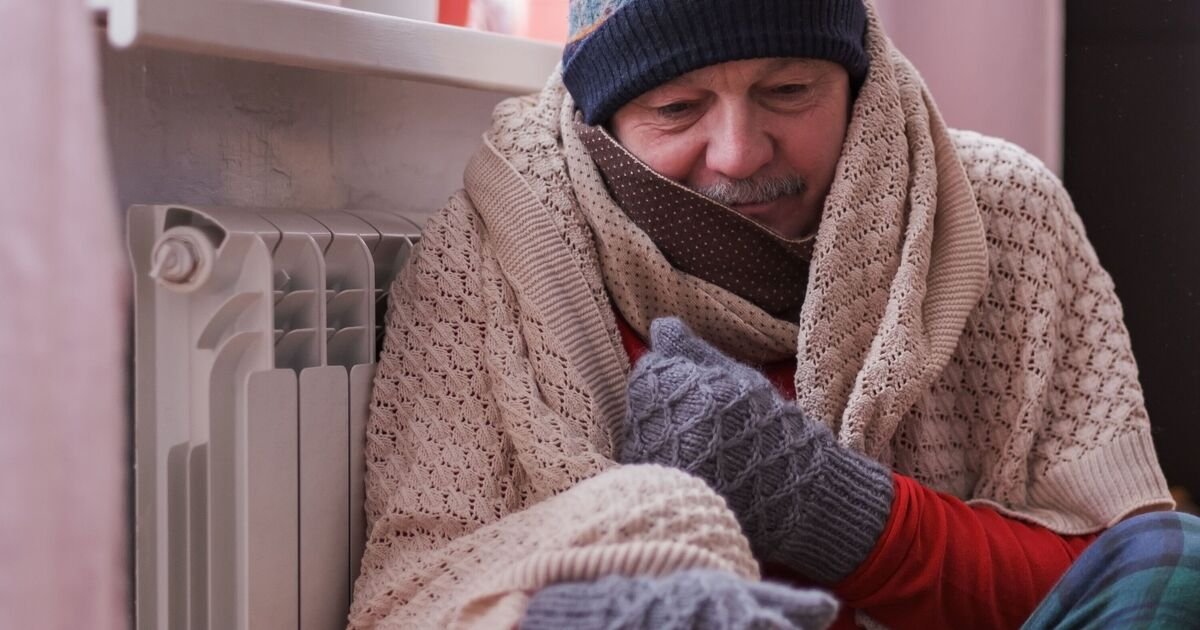

Cold weather affects the body in many different ways. In addition to increasing circulation of illnesses like flu, it can also bring on or worsen heart and lung conditions, the UK Health Security Agency (UKHSA) has warned. Some people including those with chronic health problems and those who are older or very young are more likely to be affected by the cold.
Deaths typically rise shortly after the onset of cold weather, and death rates can remain elevated for up to four weeks after a cold snap, it added. Deaths from infections such as pneumonia tend to follow in the weeks afterwards.
The UKHSA has warned that the temperature does not have to be freezing to cause harm. Cold weather can affect your health even when temperatures are above freezing.
Outdoors, health effects can begin to be felt at an average temperature anywhere between 4C to 8C, which many people would consider cold but not freezing. And indoors, the UKHSA said that the evidence indicates that below 18C is when the body begins to show adverse effects.
Risk also accumulates with the number of days spent at moderately cold temperatures, not only on the coldest days. Those most at risk are those aged over 65, young children and people with heart or lung conditions.
People with dementia or Alzheimer’s disease are also vulnerable, as they may not recognise that they are cold. Those on low incomes and living in poor-quality housing are affected disproportionately. In one study of older patients treated for hypothermia, most lived in relatively deprived areas.
The UKHSA has urged households to heat their home or the rooms they spend more time in to at least 18C. It also said that you should try not to sit still for more than an hour or so. Movement keeps the blood circulating and helps to prevent clotting. If you are unable to move around, even small movements like flexing your fingers and toes will help.
The UKHSA also recommends to:
- Check the weather forecast, sign up for Met Office alerts and plan ahead, for example by collecting prescriptions and buying groceries before a cold spell.
- Keep bedroom windows closed at night.
- Wear multiple layers of thinner clothing – this could keep you warmer than one thicker layer.
- Have your boiler and appliances serviced regularly.
- Try to reduce draughts, for example by fitting draught excluders at home.
- Find out whether you are eligible for financial help with heating costs. You do not need to be receiving other benefits to qualify for some support.
See more of the stories you love from Daily Express and find us easily in Google by making us a Preferred Source. Free and easy-to-do, just click here to activate or add us as Preferred Source in your Google search settings.
