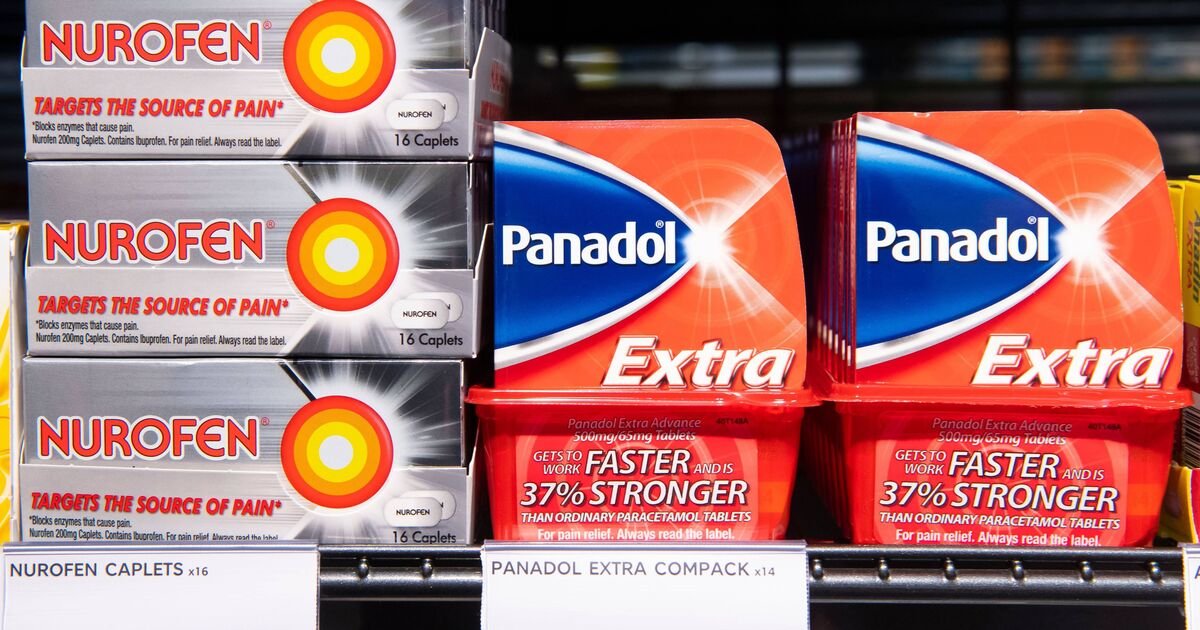


A doctor and pharmacist have weighed in on paying more for ‘max strength’ and branded flu and painkiller medicines (Image: Matthew Horwood/Getty Images)
A pharmacist and GP have shared their views on whether it’s worth spending more on “max strength” and branded flu remedies and painkillers. Branded medicines can cost up to five times more than supermarket own-brand versions. For instance, Tesco is currently selling a 16-tablet box of Nurofen for £1.90 while offering unbranded ibuprofen (of identical strength) for just 35p. For Nurofen Express, the price rises to £4, with the ibuprofen quantity increasing from 200mg to 256mg.
As a further comparison, Tesco is stocking a box of 10 sachets of Lemsip Max Cold and Flu Sachets for £6.70, alongside 10 sachets of Tesco Health Max Strength Cold and Flu Relief Powder for £3. The max strength Lemsip is also £1.80 pricier than its standard strength counterpart. Additionally, 16 tablets of Panadol are priced at £2.15, Panadol Extra at £3.75, and own-brand paracetamol at just 35p. All contain an identical quantity of the active ingredient paracetamol (500mg), though Panadol Extra also includes caffeine.
Experts have offered their opinions on whether splashing out on max strength or branded products is genuinely worth the extra expenditure, reports WalesOnline.
What makes a medicine max strength?

Branded remedies and painkillers usually cost many times more than supermarket versions (Image: Matthew Horwood/Getty Images)
Max strength products may contain a higher quantity of a particular active ingredient, although it is uncommon for a paracetamol tablet in the UK to exceed 500mg (though a dose can comprise two tablets). For instance, a standard Lemsip sachet contains 650mg of paracetamol and 10mg of phenylephrine hydrochloride, while Lemsip Max contains 1000mg of paracetamol and 12.2mg of phenylephrine hydrochloride.
Maximum strength tablets can also occasionally include caffeine, which may assist the body in absorbing paracetamol more effectively. The British Heart Foundation said a recent medical review found that caffeine had “a small but significant effect, amounting to an additional 5-10% of patients achieving a good level of pain relief”.
Are they worth the money?

‘You don’t need fancy paracetamol or ibuprofen’, said doctor Mandakini Prabhakar (Image: Simon Dawson/Bloomberg via Getty Images)
“The big brands have been around for a while, they’ve been tested, and there are adverts on the TV saying they’re really good,” Prof Jayne Lawrence, head of the pharmacy division at the University of Manchester, told the BBC. “But in reality, there’s very little difference. Personally, I’d always go for the cheaper ones – and they’ve also been tested.”
When asked on BBC Radio 4 whether it is worth upgrading to the “max” versions, Prof Lawrence said: “It depends what you’re looking for. You need to always read the label, unfortunately, to see what you’re getting. In a lot of cases the max strength has got caffeine added in and there is some evidence that caffeine can help the way some analgesics interact. The analgesic is often paracetamol in these medicines. There is potentially some benefit in having the max strength with the caffeine but you have to remember you can also buy a cheaper version of paracetamol and caffeine anyway that doesn’t contain the decongestants.”
Can you just take the paracetamol with coffee?
When quizzed about whether people could simply take paracetamol alongside a cup of coffee instead, Prof Lawrence said: “Yes you could. The caffeine that is in the max is about what you’d get from a normal coffee.”
When questioned about her own approach to dealing with a cold, she said: “You can’t stop a cold, you can’t make it shorter, you can’t make it go away, the best you can do is treat the symptoms. So if you have a headache or a sore throat a paracetamol would be really good. If you’ve got a cough, honey and lemon is really good because it helps soothe the throat. It’s really a personal choice if you want to go and buy a branded medicine. Paracetamol is actually very good for colds and if you want to upgrade it to the max strength you can have the caffeine as well.”
Branded and supermarket paracetamol ‘work exactly the same’
Doctor Mandakini Prabhakar went even further. The Cambridge and Hertfordshire-based GP, who posts online as Dr Mandy, stated: “Most big name shelf remedies are either over-priced paracetamol, boiled sweets or ingredients your gut destroys before they even get to work. Most winter bugs just need time, fluids and rest. Skip past the fancy packaging, stick to proven basics.”
She continued: “You don’t need fancy paracetamol or ibuprofen. Exactly the same ingredients as generic supermarket versions but will cost you at least five times more. Instead pick up generic own brands from your supermarket or pharmacy. Work identically to heavily advertised brands and for a fraction of the cost.”
The doctor also highlighted that the decongestant phenylephrine, found in Lemsip, was “broken down by your gut before it can do any decongesting”. In 2024, the US Food and Drug Administration announced it was proposing to remove phenylephrine as an active ingredient permitted in over-the-counter treatments for temporary nasal congestion relief, following a review that “determined that oral phenylephrine is not effective for this use”.
A spokesperson for Reckitt said: “Our brands have been trusted by consumers for decades to help relieve the symptoms associated with colds and flu. It contains established active ingredients that are approved by medicines regulators, and are combined and formulated to address multiple symptoms, including pain and fever, sore throat, nasal congestion and chesty coughs in a single product.
“Effective self-care treatments play an important role in enabling those with minor, or manageable illness to look after themselves with confidence at home, leaving critical hospital/NHS resources for those with the highest need and most severe illness. As with all medicines, consumers should always read the label and follow the directions for use.”
