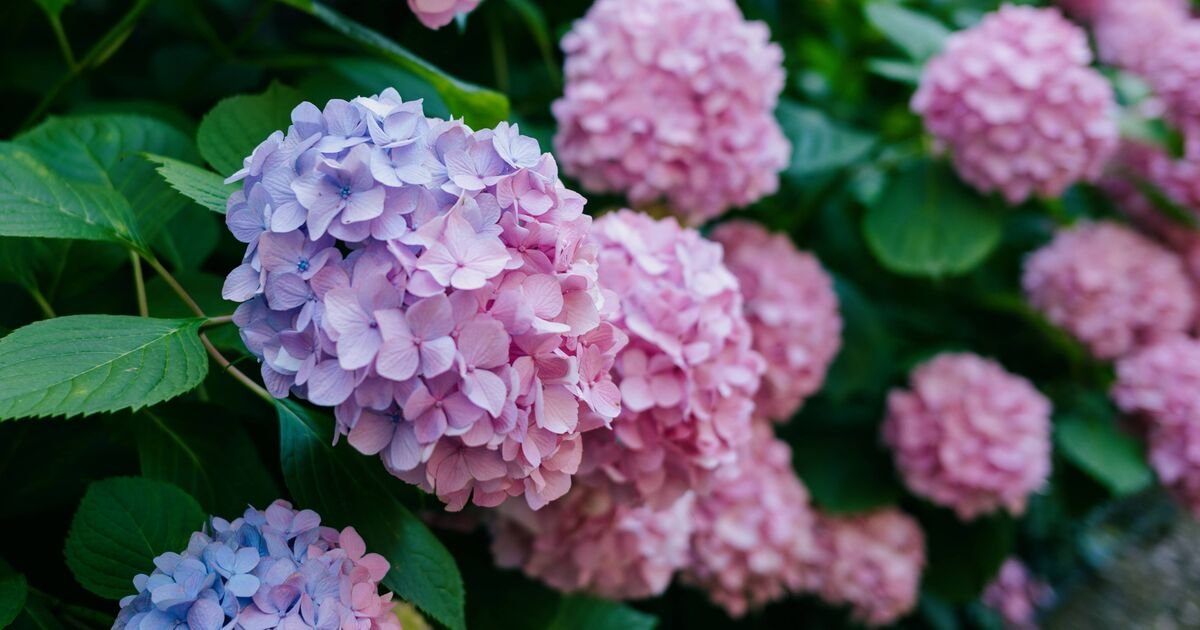


One simple task now could make all the difference to your hydrangeas next spring (Image: Grace Cary via Getty Images)
Hydrangeas continue to be a popular option for gardens of all kinds, enduring even throughout winter’s challenging conditions, but gardeners should know about one simple method to ensure spectacular blooms when spring arrives. While spring might appear far off with temperatures falling, now is in fact the ideal moment to start preparing your garden for a magnificent show of full hydrangea flowers next year.
Horticultural specialists from Millcreek Gardens have revealed that deadheading, which means cutting away faded blooms from your hydrangeas as they begin to wilt and turn brown, is vital for promoting future flowering. The gardening experts said: “When you deadhead hydrangeas, you aren’t harming the plants at all. Removing the spent blooms triggers flowering shrubs to stop producing seeds and instead put their energy toward root and foliage development.”

You should be careful when deadheading hydrangeas (Image: Kristina Pokaluk via Getty Images)
They continued: “This makes plants stronger, bigger and healthier, so by deadheading, you’ll be doing your hydrangeas a favour.”
For optimal outcomes, continue deadheading your hydrangeas during their complete growing season and into early autumn, but make certain you stop before the first frost appears.
Autumn deadheading not only cleans up the plant but also assists it in preserving energy. Nevertheless, it’s crucial to halt this practice well before freezing conditions arrive to avoid placing the plant under strain.
Ensure our latest gardening stories always appear at the top of your Google Search by making us a Preferred Source. Click here to activate or add us as a Preferred Source in your Google search settings
The best time to deadhead hydrangeas
The gardening expert advised: “Stop deadheading hydrangea shrubs in late [autumn], leaving any spent blooms in place. This not only provides winter interest but also ensures you don’t remove the buds that will become flowers next spring.”
As temperatures begin to drop, dedicated gardeners should watch for the season’s initial frost to correctly schedule their hydrangea maintenance, halting deadheading tasks approximately one month beforehand.
Continuing beyond the frost deadline with secateurs could expose new growth to freezing conditions overnight, potentially ruining next year’s flowering prospects.
The experts explained: “Deadheading is an easy gardening task, one many people enjoy. All you need to deadhead hydrangeas is a pair of garden gloves, pruners and a container to hold the faded flowers.”
How to deadhead hydrangeas in autumn
Equipment preparation takes priority, recommending sterilisation of cutting tools with an alcohol-soaked cloth to avoid fungal diseases and guarantee clean, precise cuts.
Focus on blooms that have declined, displaying signs of wilting and brown colouration, then trim them just above a set of healthy leaves to encourage subsequent growth.
Maintain a sanitiser-soaked cloth nearby for regular blade cleaning. For deadheading your hydrangeas, locate each withered flower and follow its stem down to the next set of large leaves; make your cut at that junction.
Make certain to clear away any fallen leaves from the ground as they can attract pests and additionally discharge too much nitrogen into the soil, potentially overfeeding plants.
The deadheading process ought to take under five minutes, yet eliminating declining growth will help in generating bigger, more robust, and plentiful blooms come next spring.
