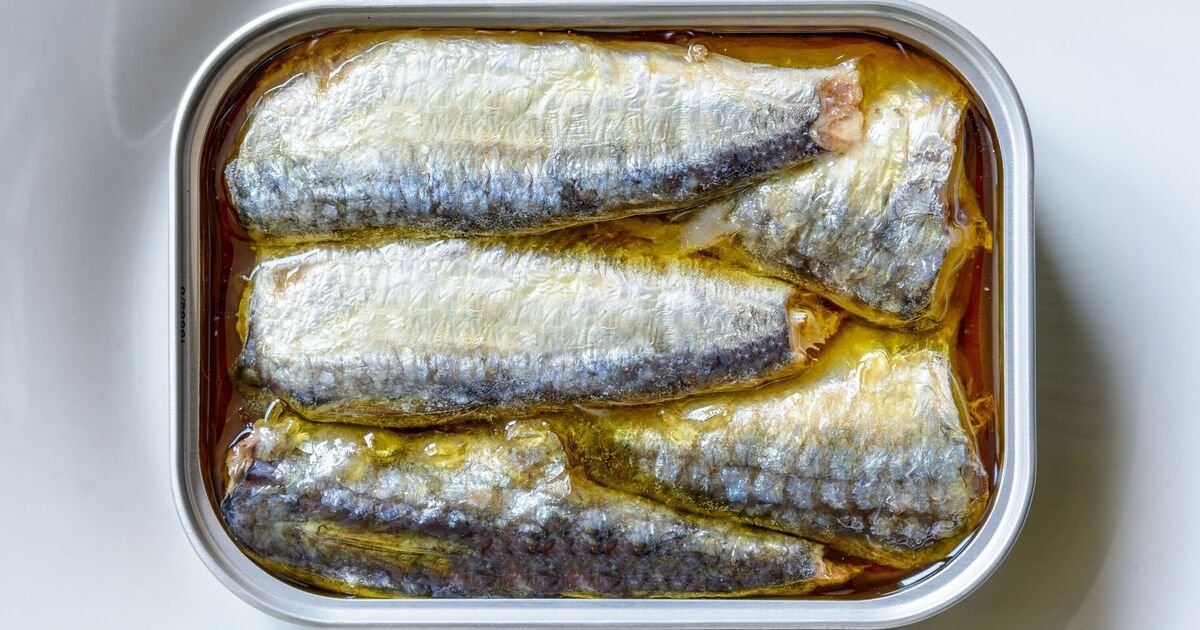

Sunday marks the first of November and with temperatures set to drop as we head into the winter months, an expert has said that eating mor fish could help ward away winter cold and flu. Pauline Cox, Director of Functional Nutrition at Hunter & Gather, has revealed how to adapt your diet to support normal immune function through everyday food choices and consistent habits.
Her advice comes as the latest winter virus surveillance data from the UK Health Security Agency (UKHSA) shows that flu activity has stabilised at baseline levels following an early seasonal rise in September. For the week ending October 18, 2026, the laboratory flu positivity rate stood at 6.3%, while overall flu-related hospital admissions experienced a slight increase to 1.94 per 100,000 people.
Although Emergency Department attendances for influenza-like illnesses remain slightly above seasonally expected levels, health officials continue to emphasise the importance of getting vaccinated, especially for eligible groups. Getting the flu jab can help lower winter pressures.
The latest laboratory tests also confirm that the circulating strains are predominantly a mix of the influenza A subtypes H1N1 and H3N2. With all this in mind, Pauline has explained why the focus should be on consistent nutrition rather than quick fixes and fish could be an easy way to help your body stay healthy this winter.
As the days become shorter, vitamin D deserves particular attention. During autumn and winter, sunlight in the UK is not strong enough for the body to produce sufficient vitamin D through the skin.
Pauline says: “Oily fish such as salmon, sardines and mackerel, as well as egg yolks, can help, but it can be difficult to get enough through food alone.” The NHS recommends that adults consider taking a daily supplement containing 10 micrograms of vitamin D during autumn and winter.
Not only this but protein plays a role in immune function and helps the body grow and repair itself. Including a source in everyday meals is important year-round, including during the colder months.
“Eggs at breakfast, chicken with lunch, fish with dinner, or incorporating beans and tofu into your meals are straightforward ways to include protein in your diet,” says Pauline. “Rather than making meals more complicated, start by checking that your plate includes a good source of protein alongside other ingredients.” By adding more oily fish into your diet, Pauline says your immune system could get a natural boost.
