


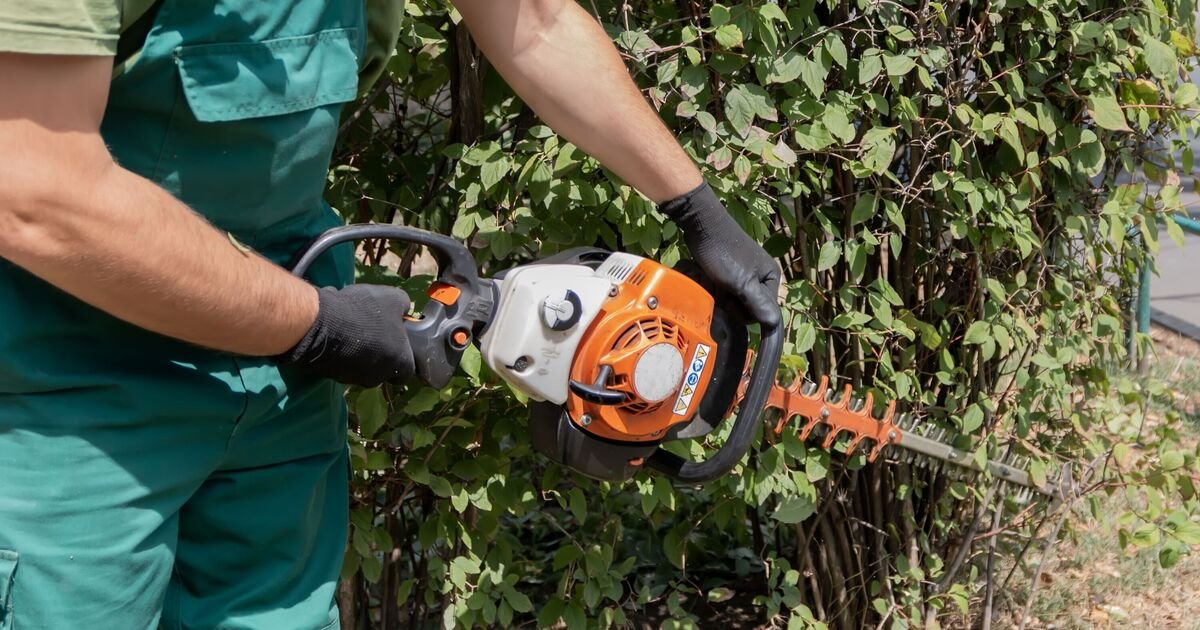
Gardeners are being urged not to prune hedges or clear away dead hedges this January in a bid to help ailing wildlife through the freezing cold snap.
This January, gardens have been buried under snow, frozen solid in icy temperatures and battered with freezing rain as well as blasts of strong winds.
None of that is good news for wildlife, which is already struggling under the weight of climate change, habitat loss and the decline of available food, of course.
Now, Kim Stoddart, editor of Amateur Gardening magazine and author of The Climate Change Resilient Vegetable Garden, is urging anyone with a garden to take steps to help wildlife this January, including not pruning hedges.
Nuts and berries were in abundance last year, but the cold we are experiencing now means that wildlife needs a helping hand, she told PA.
She warned: “Hang fire on tidying up your plants, shrubs and hedges until a bit later in the season, to give wildlife, including insects, plenty of places to take shelter in your garden. If you have blackcurrants and gooseberries, leave pruning a little longer to allow insects and other wildlife to escape the elements in them.”
Seed pods, leaf mould piles and log piles all provide valuable shelter, so don’t tidy these away till spring, Stoddart advises.
A dead hedge made from garden pruning material can provide shelter for birds and invertebrates, and can also act as a wind break.
Frozen ground will prevent opportunities for bug foraging and means that birds will need more food as they burn off more energy coping with the cold, says Stoddart.
Provide them with scraps of food, nuts, cheese, dried porridge and fruit such as spoiled apples from this year’s harvest, she suggests.
She added: “Suet is really popular in winter, because it’s going to provide birds with the fat that they need to stay warm and is really popular with lots of different species,” says Shelton.
“Look for good quality suet balls but make sure you don’t overfeed.”
If you are leaving out scraps just put out as much as you think will be eaten, and remember to clean feeders regularly and move them around a bit to help reduce a build-up of mess and the likelihood of pests, she adds.