


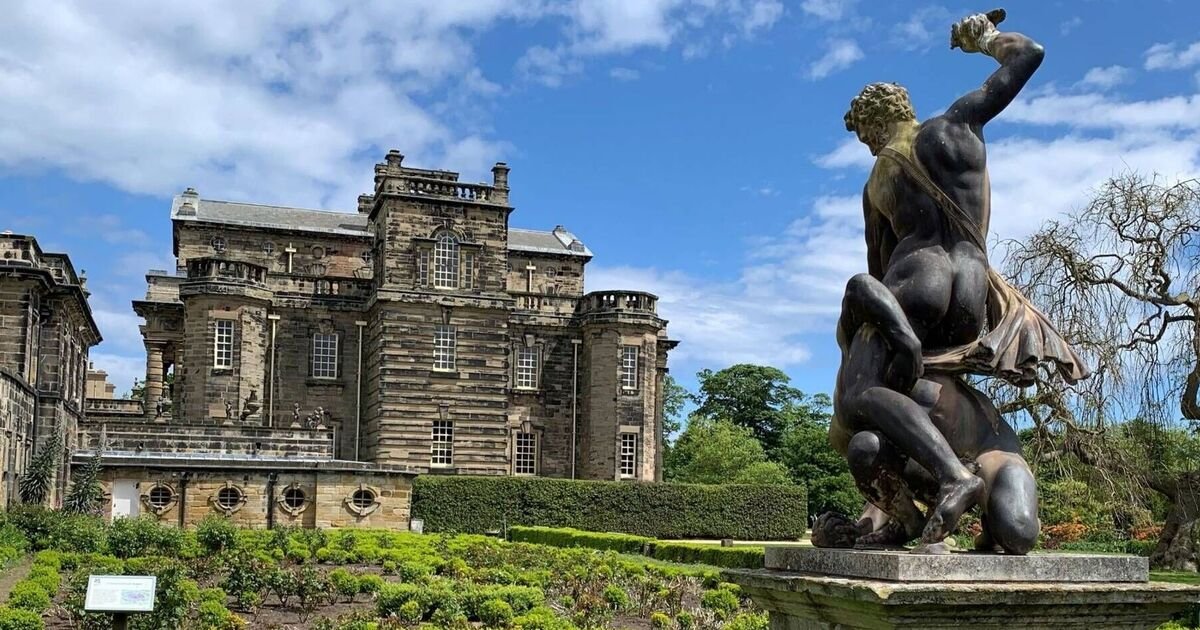
Nestled within Seaton Sluice, a stone’s throw from the breathtaking Northumberland coastline, lies a majestic hall steeped in fascinating history and ripe for exploration.
A visit to Northumberland would be incomplete without a stop at this remarkable site. Its grand architecture is a feast for the eyes, while the tales woven into its past are sure to captivate your curiosity.
Over the centuries, Seaton Delaval Hall has weathered its fair share of misfortune, with calamities striking even before its completion. During its construction, neither the architect, Sir John Vanbrugh, nor the patron, Admiral George Delaval, lived to witness the hall’s full splendour when it was finally completed in 1728.
Since then, the estate has been handed down through generations of the Delaval family, who have held ownership since the Norman Conquest. Known as the ‘Gay Delavals’, they were famed for their ‘flamboyant’ lifestyle and wild parties that took place on the premises.
These notorious Georgian revellers had a penchant for outrageous antics, from toppling walls to affixing furniture to ceilings, causing quite the commotion in the great hall. Theatre and performance were integral to these extravagant soirees, with the Delavals often incorporating rope dancers or staging theatrical productions, or even hosting masquerade balls.
However, tragedy struck nearly 200 years ago when the stately home was engulfed in a devastating fire, marking another unfortunate chapter in its history. In 1822, a devastating blaze obliterated the entire central section, which wasn’t partially rebuilt until decades later in the 1860s.
Whilst the structure received a new roof, the interior remained hollow, though the grounds underwent a revival, and by 1950, the hall welcomed its first public visitors in its entire history. Currently under National Trust stewardship, it’s become a beloved destination for excursions across the North East, with recent guests documenting their visits on TripAdvisor.
One reviewer noted: “This was a surprisingly interesting, perhaps unique, style of National Trust House. It is a lovely building with the darker facade giving way to light, open interiors but also interesting cellars. Once owned by a quirky and fun family, there are some interesting features and rooms.”
Another guest said: “Seaton Delaval Hall’s beauty lies in its differentiation: it’s a partial ruin. And what a stunning ruin it is! Surprised to read so many comments from people who’ve clearly not done basic homework before they visit.
“If you want a dusty old NT property packed to the rafters with stuff, then this isn’t the place for you. But if you want to see some stunning architecture alongside a brilliant presentation of the small collection they do have, then go here. It’s beautiful.”
Lord Hastings devoted considerable effort to rejuvenating the hall into its present form, playing a crucial role in reassembling the collections and restoring the building’s structure.
At the time of his passing, he had successfully witnessed 57 summers of Seaton Delaval Hall flourishing as a public site, and one where his legacy continues to resonate.