


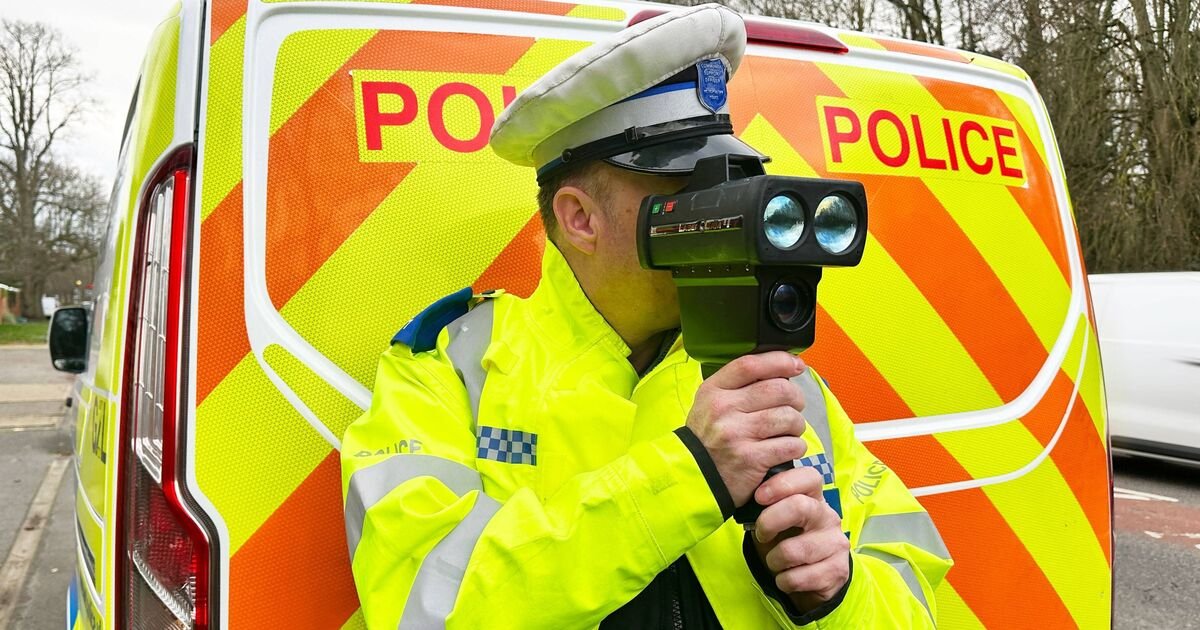

Drivers need to keep up to date (Image: Peter Dazeley, deter Dazeleyvia Getty Images)
As we usher in 2026, UK drivers are set to face a raft of changes to road regulations, impacting safety, compliance and finances – some of which have already taken effect. It’s safe to say that for motorists, the rules and laws are constantly evolving.
With this in mind, Richard Evans, head of technical services at webuyanycar, has outlined the most significant new changes to driving laws in 2026 that drivers need to be aware of.
The biggest driving rule changes in 2026
Electric car charging price cap: January 1, 2026
From January 1, 2026, the revised electricity price cap of £1,758 came into effect and will remain until the end of March 2026. According to Ofgem, this represents a 0.2% price increase, meaning EV owners are likely to see slightly higher at-home charging costs.
London Congestion Charge increase: January 2, 2026
The daily London Congestion Charge has increased from £15 to £18 if paid on or before the day of travel, and from £17.50 to £21 if paid within three days – this is now in effect and marks one of the most significant increases in years. For motorists, this means higher costs for driving into or through central London.
Electric vehicle (EV) drivers are now also required to pay the London Congestion Charge. However, pure battery-powered EVs receive a 25% discount when registered for Auto Pay, reducing the daily charge to £13.50. For those who fail to pay, a £180 penalty charge will be applied.

Some rules have already changed (Image: Iryna Melnyk via Getty Images)
Read more: Drivers get £390 payouts as claims surge
Read more: Pay-per-mile plan update as ‘third of drivers could make switch’
Fuel Finder Scheme: February 2026 (expected)
The Fuel Finder scheme will mandate petrol stations across the UK to share real-time fuel prices, enabling drivers to compare costs more conveniently. Despite delays, it is still anticipated in early 2026, and once operational, the goal is to simplify the process for motorists to find the cheapest fuel prices in their vicinity.
CPR and defibrillator questions in driving tests: early 2026
Starting from early 2026, learner drivers will be assessed on CPR and how to use a defibrillator during the theory exam, with the aim of enhancing emergency awareness and safety on the roads.
New driving test booking rules: spring 2026
While the exact date will be confirmed nearer the time, major alterations will be implemented to the driving test booking system in spring 2026, including:
- Only the learner driver can book their test – not the driving instructor
- Learners will be restricted to two changes per booking
- Tests can only be relocated to nearby centres
Learners will also be required to provide at least 10 working days’ notice if they wish to cancel or reschedule a test. In addition to this, it has been announced that as part of the government’s broader road safety strategy, learner drivers may need to wait at least six months before taking a test, although this is currently under consultation.
Luxury car tax threshold change for EVs: April 2026
From April 1, 2026, electric cars will no longer be classified as “luxury” for road tax purposes unless they exceed £50,000, an increase from the current £40,000 threshold. This higher limit applies exclusively to zero-emission vehicles, whilst petrol and diesel cars remain unaffected.
This means numerous electric cars priced between £40,000 and £50,000 will escape the additional VED charge entirely. The amendment also benefits most EVs registered from April 2025, though some may still pay the supplement for one year if they renew their tax before April 2026.
Digital driving licences: summer 2026
Digital driving licences are also scheduled for introduction in 2026, as part of the GOV.UK Wallet, which is due to launch in the summer. This new service will enable motorists to access their licence through a smartphone app. While convenient for ID checks and renewals, physical licences are expected to remain valid.
Fuel duty freeze ends: September 2026
Fuel duty will stay frozen at 52.95p per litre (which includes the 5p reduction) until September 2026, returning to the previous rate of 57.95p per litre by March 2027. Following this, the reduction is set to be lifted, and fuel duty is expected to increase annually in line with inflation.
Ongoing changes in 2026
Updates to ZEV (Zero Emission Vehicle) mandate
The Zero Emission Vehicle Mandate, which was initially brought in during January 2024, seeks to guarantee that 80% of new cars and 70% of new vans sold in the UK are zero-emission by 2030, rising to 100% by 2035. In 2025, this mandated 28% of new car sales and 16% of new van sales to be zero-emission.
The ZEV mandate obliges manufacturers to sell an increased proportion of zero-emission vehicles annually. In 2026, the target for cars has climbed to 33% of new car sales and 24% of vans.
Self-driving vehicles
The Automated Vehicles (AV) Act, enacted in May 2024, paves the way for self-driving vehicles on UK roads from 2026. For motorists, this won’t instantly alter everyday driving, but it signals the beginning of a significant long-term transformation in how roads are utilised and governed.
Richard said: “With a lot of changes happening throughout this year, it’s important for all drivers to stay informed and understand the rules and regulations that will impact not only them, but other motorists on the road, too. Keeping up to date, being aware of when these changes are happening, and abiding by the rules, is not just a legal requirement – it’s a shared responsibility that helps protect every road user.”