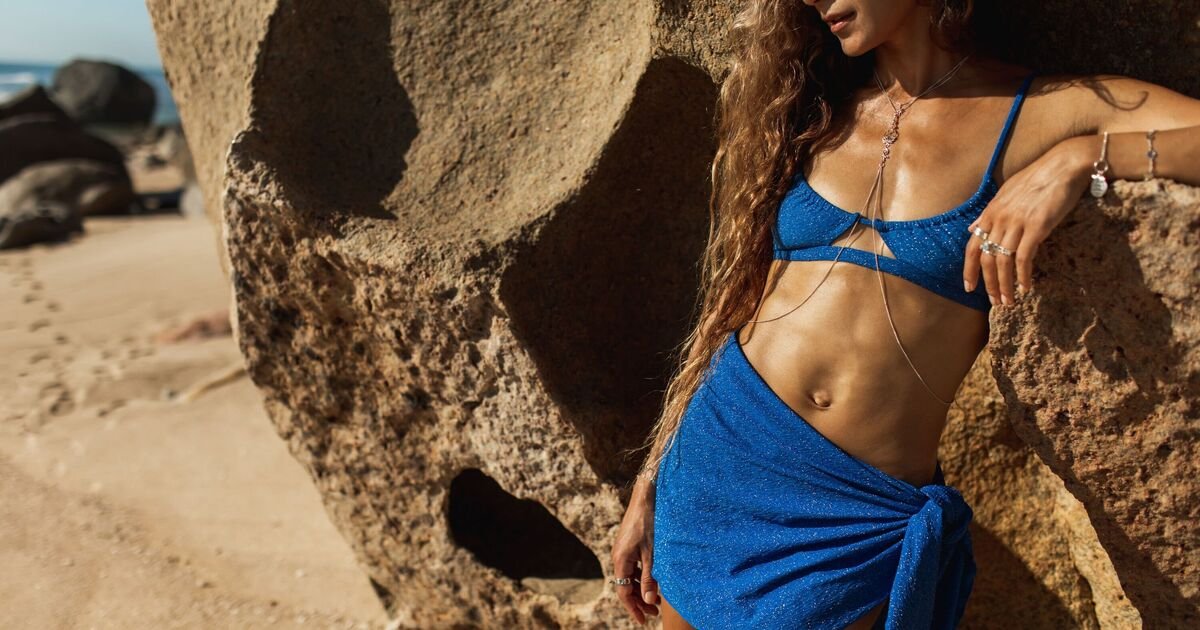

A travel expert makes sure to always pack an item of clothing she refers to as “the Swiss Army Knife of Travel”.
Clarissa Cappelletti, WeRoad’s UK country manager, is a big evangelist of the sarong. She argues that the length of fabric really comes into its own during a holiday.
“It sounds odd, but a sarong can act as a scarf, towel, beach blanket, cover-up, curtain, or even makeshift bag. Super versatile, super lightweight. You’ll be surprised how often it comes in handy,” Clarissa explained.
Working out what you need for a holiday and what will just needlessly take up room in a bag you’re hoping will stay under budget airline bag allowances can be difficult, especially if you’re headed to a destination with changeable weather.
Travel guide Lonely Planet’s Travel Hack Handbook offers some top tips about what to do before, during, and after a holiday to make sure you have the best and easiest time possible. The guide also suggests packing a sarong.
“It’s a blanket when the air-conditioning is icy. It’s an emergency towel. It’s privacy for getting changed on the beach. It’s modesty when you can’t enter a temple with your legs or shoulders showing,” it is written in the guide.
According to Worldwide Insure, the sarong has even more uses. “Ideal as a picnic blanket. Works well as a lightweight towel. Use as curtains to cut out the light. Or keep out light by making an eye mask, just wrap the sarong around the top of your head and over your eyes,” it argues in an article highlighting 30 uses of the garment.
“Sarongs are also great when made into a papoose for carrying small children. Some people fashion them into a hammock for their babies.”
Her Packing List suggests a couple more uses for the sarong.
“When you’re in shared accommodation or camping, sometimes you want a little more privacy than what’s afforded. Hang the sarong from your bunk bed or travel clothesline, or find another creative way to hang the fabric to create a discreet place to change clothes,” the travel website advises.
“Your new ‘wall’ may also help you avoid overhead lights at night or offer more peace during mid-afternoon naps.”
The blog notes that it can be used to “cover knees, shoulders, arms, or head while visiting places of worship. If you don’t have a separate scarf or find yourself needing more coverage, a long sarong can cover bare shoulders or legs in hot weather when you want to visit temples, mosques, and other places of worship.”
