


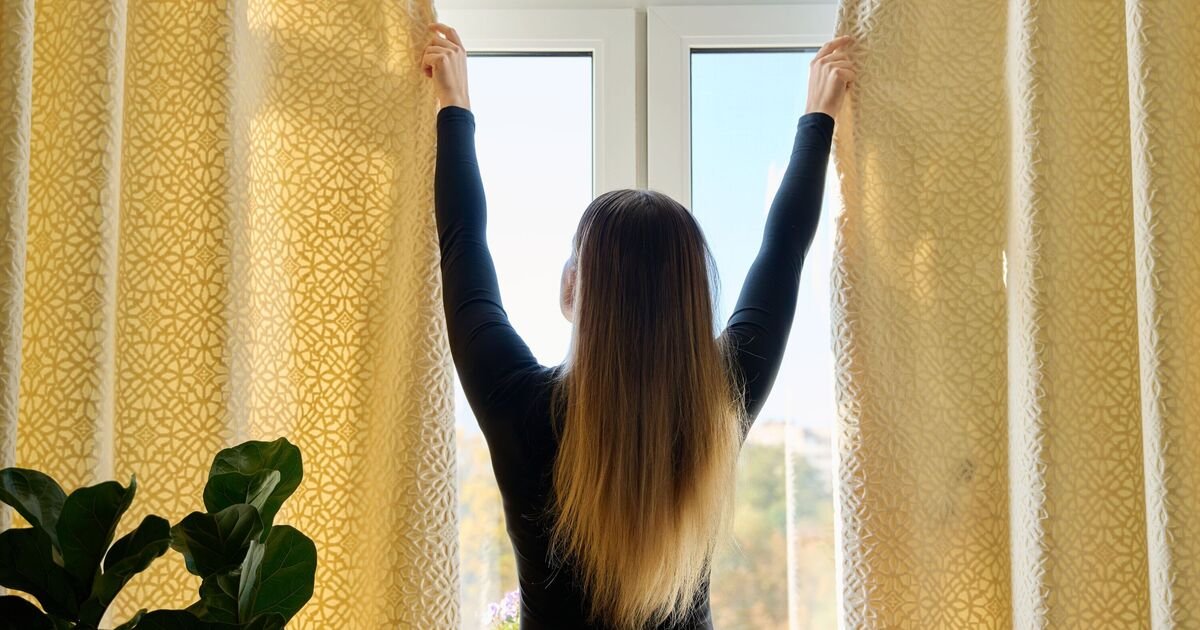
With energy bills rising, households will be waiting as long as possible before turning on the heating for winter. There are many ways to try to keep bills low, including one clever trick. James Harrison, electrician at Fusion Electrical, said: “Curtains and blinds aren’t just for privacy. Used properly, they might make a noticeable difference to how much heat your home holds onto.”
During the day, keeping your curtains and blinds open can help to flood the room with natural warmth through the windows. According to the expert, Brits should then close them again once the sun sets.
James said: “That simple act helps create a barrier that traps the warmth you’ve already collected.
“Thicker curtains provide better insulation, especially if your property has older or single-glazed windows. For even more effect, layering curtains over blinds might cut down on draughts and stop heat escaping quite as quickly.”
Windows are one of the biggest culprits for heat loss in UK homes, with even well-maintained homes losing heat through the glass.
This makes curtains a great “buffer” which could make rooms feel “more comfortable for longer”.
The expert added: “Keyholes, electrical outlets, vents and gaps around doors can also all let in cold air.
“Simple fixes like draught excluders, outlet covers, or a strip of caulking could stop that priceless heat disappearing before you even realise.
“None of these measures will replace your central heating, but together they could reduce the amount of warmth you lose and ease the strain on your energy bills.”
When you do decide to turn on the heating, make sure furniture isn’t positioned too close to the radiators.
Furniture can absorb a significant amount of warmth, which could otherwise circulate the room, and the same goes for curtains.
If you are using heavy and long curtains, make sure they are not draped directly over radiators; they should end just above.
Other ways to save on energy bills include turning off standby appliances, avoiding the tumble dryer and reducing the water temperature in your home.