

Garden enthusiasts adore witnessing birds in their outdoor spaces, delighting in their melodies whilst knowing they’re fostering a supportive habitat for wildlife.
The RSPB has disclosed that certain bird feeds available to people in the UK can be utilised to attract particular species.
September marks a period when gardens become quieter as birdsong diminishes significantly as breeding season concludes and birds undergo moulting, which demands considerable energy.
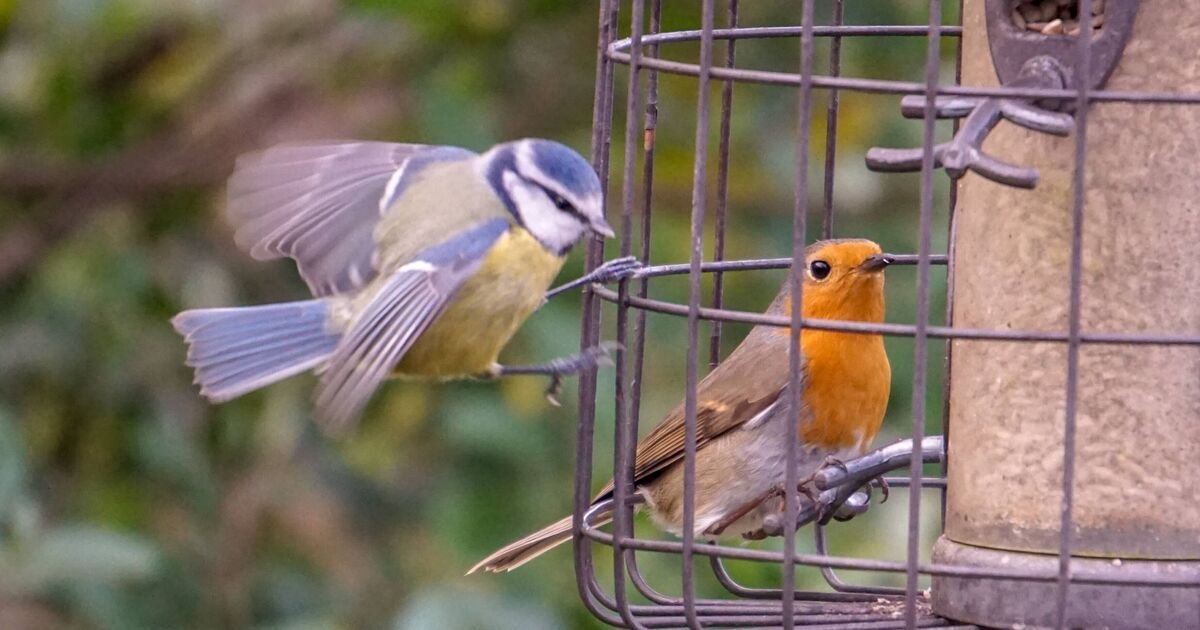
However, individuals can select specialised feed that will delight certain bird varieties including blackbirds, blue tits and robins – all of which particularly adore mealworms.
With September 2025 bringing a sudden chill, the RSPB emphasised that people must consider birds require enhanced energy reserves.
The organisation said: “Put out bird food and water on a regular basis through autumn and winter. In severe weather, you may find you need to feed twice daily. Birds need high-energy, high-fat foods during cold weather.
“Always adjust the quantity given to the demand, and never allow uneaten foods to build up. Once you have a feeding routine, try not to change it as birds will become used to it.”
What to feed specific species:
- Blackbirds mostly feed on the ground and will eat a broad range of foods, from suet pellets to mealworms.
- Blue Tits and Great Tits use a feeder, eating seeds as well as suet and peanuts.
- Mealworms are especially popular with Robins and Blue Tits and may attract other insect-eating birds such as Pied Wagtails.
- Finches, including Chaffinches and Greenfinches, also use a feeder, and they love sunflower hearts.
- If you’re keen to attract Goldfinches or Siskins, try Nyjer seeds as they both seem to love them. Nyjer seed is also popular with Greenfinches and Redpolls.
- House Sparrows, Dunnocks and Collared Doves prefer to feed on the ground and will be attracted by small seeds.
The RSPB continued: “Suet balls and other fat-based food bars are excellent high energy giving foods for winter and popular with a wide range of birds.
“Be sure to look for good quality bird food – those that don’t include ‘fillers’ such as dried peas and beans, red dari and wholewheat that birds rarely eat.
“You can also put out leftovers such as dried fruit, or fruit such as apples and pears. Don’t use anything mouldy or salty though, and if you have a dog don’t put out dried fruit – vine fruits, such as raisins, can be toxic to them.”
Maintaining cleanliness of feeders and bird baths.
The RSPB emphasises the importance of hygiene for bird feeders. They advise: “Brush off debris every time you put out fresh food and scrub feeders with mild disinfectant solution weekly. Move the feeders from time to time to stop droppings building up underneath. Water containers should be rinsed out daily, especially during the warmer months, and allowed to dry out before fresh water is added.
“If you see a sick bird on your feeders, stop feeding altogether, thoroughly clean your feeders and store away from the garden (e.g. in the garage or shed). Only resume feeding after 2-4 weeks, but stop and repeat the process if you see any more sick birds.
“Some bird diseases can infect people. The risk is small, but precautions are worth taking. Wear gloves and thoroughly wash your hands after cleaning bird baths and feeders. Clean feeders outside with separate utensils.”
For more information click here.
