


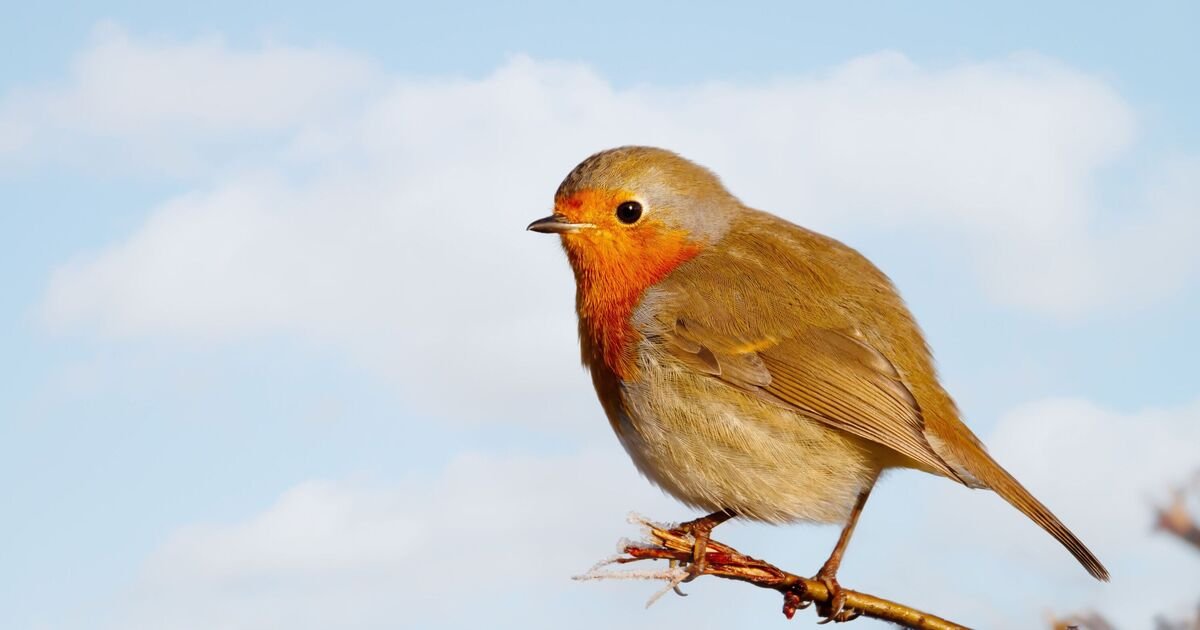
Everyone loves robins. But the little red birds are not just for Christmas, and in fact are a year-round visitor to UK gardens, at this time of year as well as in the deepest winter.
In fact, there’s an easy way to attract more robins into your garden in September, October or in autumn in general and it’s all to do with how (and what) you feed the birds, as well as the general setup of your garden and how pro-wildlife it is.
Unlike some other birds, robins prefer to feed on the ground, not on a raised feeder or high-up bird table, so you’ll need to change your hanging bird feeder for a ground feeding method if you specifically want robins to come back to your garden time and again.
One way to do this is with a ground feeding tray, which you can cover with robins’ favourite foods, say wildlife experts.
On this tray, you should leave out a mixture of bird seed, sunflower hearts and mealworms. Sprinkle it on the tray and you’ll have robins come calling in no time.
Rachel Hoskins, of the Woodland Trust, advises: “Robins are natural ground feeders, so feeding trays are ideal. Make a mixture of bird seed, sunflower hearts and mealworms, sprinkle it out on a tray and wait for the robins to arrive.
“As they’re such fans of mealworms, you can give them an extra helping hand by soaking dried mealworms in water, giving the robins some valuable moisture from the food.”
Hanging bird feeders, though, are no good for robins and they’re unlikely to use them.
Rachel explains: “Lots of garden birds, such as blue tits, house sparrows and goldfinches, will happily grab a bite to eat from bird feeders. Hang them up, fill them with nuts and seeds, and watch the birds flock to your garden.
“That said, robins are not likely to visit a hanging feeder unless there is a platform next to it.”
You can use bird tables, but make sure these are covered, and food is removed and changed if it gets wet, in order to prevent the risk of spreading disease.
Rachel adds: “Damp food is susceptible to mould and bacteria which can make birds ill. Covered bird tables are best as their roofs help keep food dry, protect smaller birds from predators, and can make it harder for wood pigeons to snaffle all the food!”
It’s not just about leaving food out, though. The Woodland Trust says a garden that has areas which grow wild, attracting insects and invertebrates, will better support robins even when you don’t leave food for them.
Rachel adds: “Your garden will be even better for robins if you make it a home for their natural prey. Encourage invertebrates by allowing parts of the garden to grow wild. Planting trees and adding features like a log pile or compost heap will help too. These minibeasts will provide food for robins and a host of other wildlife.”