
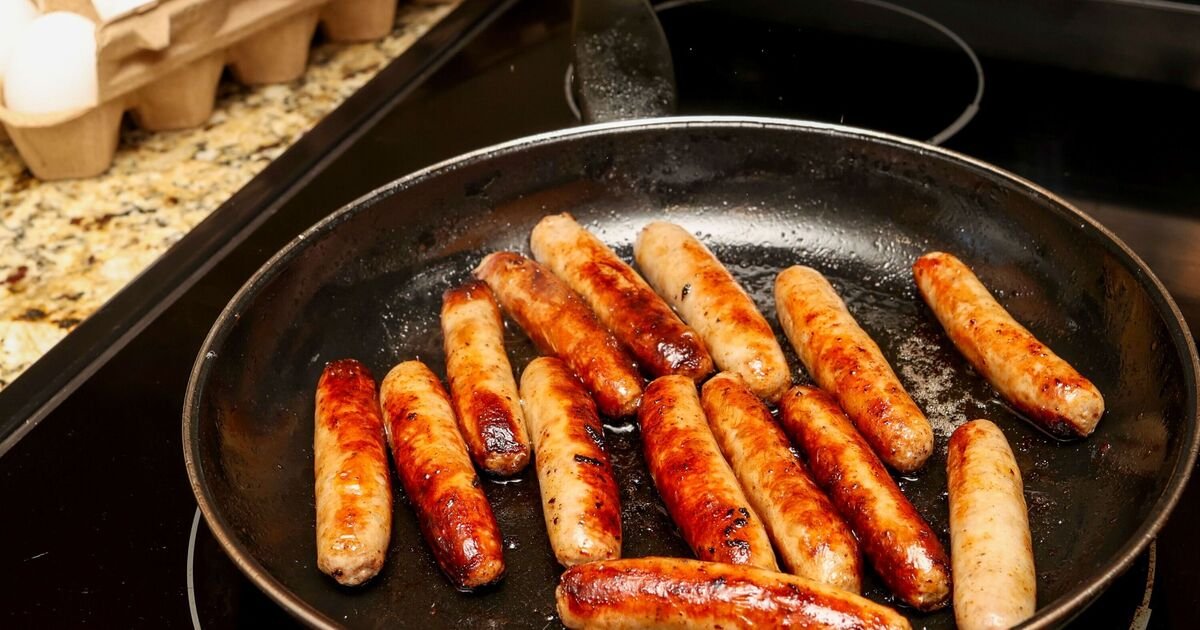

Sausages are a staple part of our diets here in the UK, especially at breakfast time. However, they’re also great for adding to pasta sauces, sandwiches and even tacos – and there are so many different types available on supermarket shelves.
From smoked to caramelised to veggie-friendly, there’s truly a sausage for everyone. And when it comes to making them taste their absolute best, there are a few key things to keep in mind. I recently asked several top chefs about their best techniques for making sausages, and it’s clear that there is a right way to do it.
A big part of cooking sausages lies in the preparation, and according to most of the chefs I spoke to, there’s one thing you should never do – and that’s pricking the skins.
Richard Turner, a chef and butcher from Turner and George who brought Meatopia to the UK, has strongly advised doing this, depsite it being a popular step in the cooking routine. He said: “Assuming you are using natural casings, which of course you should be, you do not need to prick sausages. This is an old wives’ tale and allows precious juices to escape along with the fat, which is the flavour.”
This was echoed by the ‘king of BBQ’ Big Nath, who says that the key to a juicy, succulent sausage is keeping the fat locked tightly inside the skin.
He warned: “Whatever you do—don’t prick the skins. We want that fat staying right where it belongs, inside.
HECK Sausages’ head of product development, Calum Smith, also claims that pricking the skin is a no-go. Instead, he says you can stop the sides from splittng by taking your sausages out of the fridge before cooking and leaving them to reach room temperature.
He added: “This helps with even cooking, meaning there is less chance of the outside burning before the middle is cooked.”
When it comes to actually cooking your sausages, frying, grilling and BBQing seemed to be the most popular options. Given that the two latter options might be unsuitable for this time of year, frying is probably the go-to for many people.
Before you place your sausages in the pan, you’ll need the right kind of oil – but steer clear of the extra virgin variety. Callum said: “Use a high smoke point oil like sunflower, rapeseed, ground nut oil or avocado. This stops the acrid taste you sometimes get when frying things especially if you use extra virgin olive oil.
“I like to cook my sausages in a frying pan on a medium heat for about 12-15 minutes depending on how big they are, turning frequently.”
If you’re noticing the sausages are getting too much colour and are in danger of burning, Richard has the solution. He said: “Fry the sausages low and slow, turning occasionally for about 30 minutes. If the sausages are colouring too quickly, reduce the heat even further and sprinkle with a little water.”
The UK weather is known for being unpredictable, so there’s a small chance we could get one final period of sun before autumn sets in. Should this happen, and you want to fire up the grill or BBQ, then Big Nath has shared an unusual yet delicious way of preparing your sausages.
He said: “This one splits opinion. Some love it, some hate it— I think it’s pure food theatre. Get your coal bed white-hot, grab your tongs, and lay the sausages directly on the coals. Yep, right on the fire.
“Keep turning until they’re cooked through (70°C internal, always), then knock the ash off and serve. You’ll get a fierce char and a flavour that screams fire-cooked.”
Cooking slowly is key when you’re cooking on the BBQ, as Richard added: “If you are barbecuing sausages, blanch them in boiling water for 10 minutes at 80 degrees before cooking, only cook over smouldering charcoal, low and slow.”
If you’re looking for an interesting condiment to serve with your sausage and mash, all you need is a can of beer, surprisingly. Calum says that by pouring this into the pan while you’re frying, you’ll create a delicious accompaniment and boost the flavour of your sausages too.
He said: “Sometimes I like to add a little cider or beer and some onion to the pan halfway through cooking and put a lid on for the remainder of the cooking time.
“This gives the sausages an even richer flavour and you can use the leftover liquid to make a good and easy gravy.”
