

September marks the end of summer, and it’s seen, in the northern hemisphere at least, as the time to gather in fruit and vegetables from gardens and allotments, to store or preserve them to see us through the winter months.
But Benedict Vanheems, from the GrowVeg YouTube channel, says that once you’ve cleared any used-up annuals from your vegetable patch there’s plenty of opportunity for new planting.
A cold frame or polytunnel will definitely help most plants through the chilly months, but some vegetable crops actually thrive in the cold.
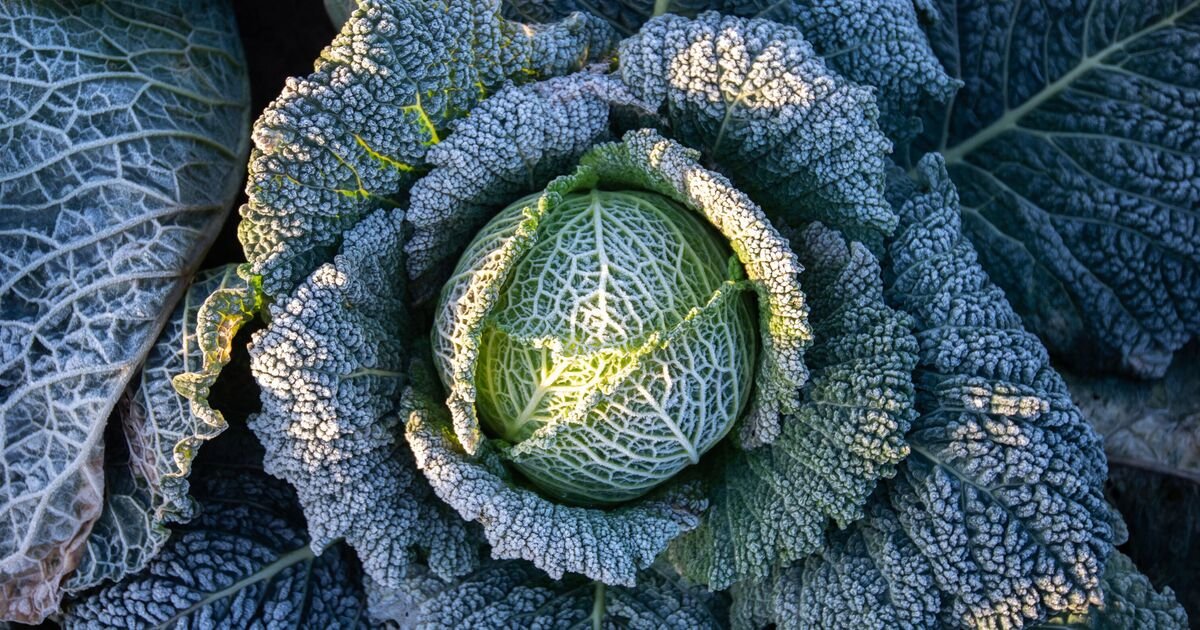
“One vegetable worth making space for,” Benedict says, “is spring-maturing cabbage because it actually benefits from the frozen conditions of winter, which makes the leaves sweeter.”
All you need to do is refresh your veg bed with some new compost or manure and plant your cabbage seedlings at roughly 12-inch intervals.
In spring, you should have a crop of small, dense, often pointy-headed sweet and tender cabbages that will be ready to eat straight away.
You can even promote the growth of a secondary crop of smaller heads by cutting a cross shape around half an inch deep into the stump after harvesting.
Be sure to water the stump well to get things moving.
Benedict lists a number of other jobs that gardeners should be making time for in September. It’s a good time for planting strawberries, he says, or for propagating an existing strawberry plant. The strawberry plant sends out long, strong tendrils called runners, which will have several mini-plants growing from them.
By simply pinning those plantlets down – either directly in the same strawberry patch or into a small pot – you can start off a brand-new strawberry plant that can be snipped off the runner after a month or so. It’s best to over-winter them in a cold frame, or a greenhouse if you have one, to give them the best chance of surviving into next spring.
You should also check any squash or pumpkins that you might be growing, and protect them from rot by placing a tile or piece of slate underneath to prevent contact with damp soil.
Allowing a few plants – onions, leeks, chard and lettuce – to remain in the ground and go completely to seed will give you the chance to collect those seeds to plant next year, saving you a few extra pennies at the garden centre.
But there’s still harvesting to do this year as well, Benedict says: “Warm-season staples like tomatoes, beans and courgettes will only continue producing if you carry on picking them.”
While the growing season will soon be coming to a close, you should be making sure you get “as much garden-grown goodness as possible before things slow down,” he adds.
