


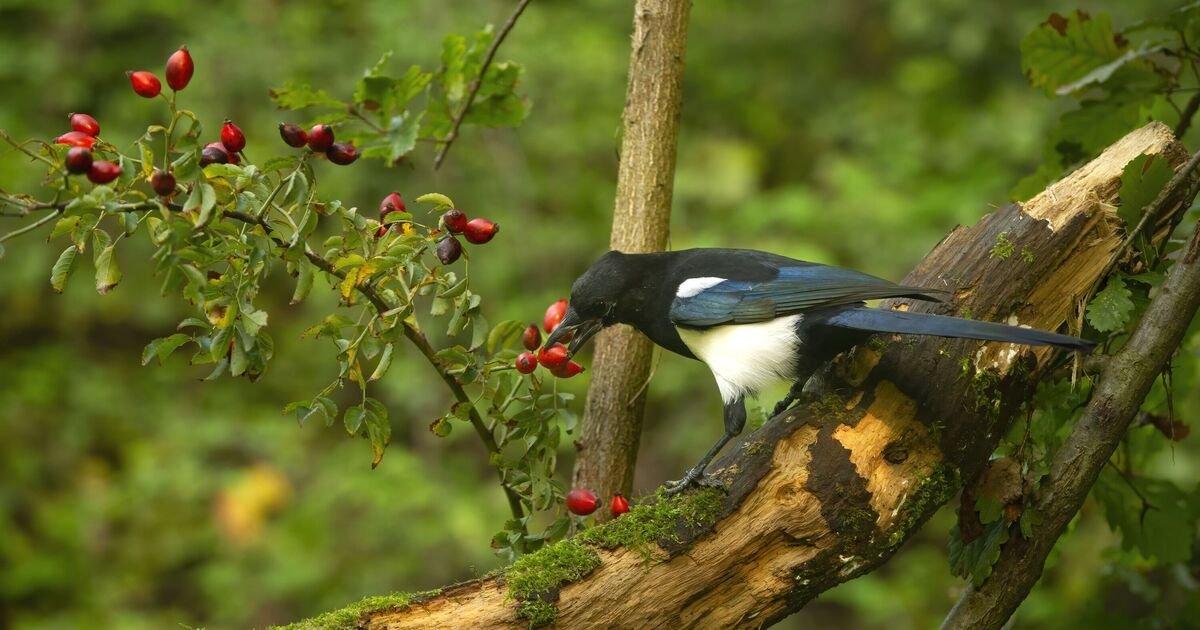
As gardens burst into bloom this August, birds of all varieties and species can be seen flocking to lush household yards boasting blossoming flowers.
While many of us are constantly striving to make our gardens as attractive as possible, there are some gardening tasks which, while usually considered essential, can be massively detrimental to birds visiting your lush green space.
As summer fades out in the UK, there’s plenty of wildlife gardening to be done in the month of August, however, there’s one vital task green-thumbers must explicitly avoid if they want to protect the birds paying their home gardens a visit.
Don’t deadhead roses in August
Experts recommend not doing one crucial task to ensure green spaces remain a haven for visiting birds this summer.
While it may be extremely tempting to deadhead the plants in your garden, it’s a good idea to leave some varieties of flowers as they are, so they can form seedheads which in turn will prove to be a nutritious food source for avians.
It’s imperative for gardeners to stop deadheading roses to ensure the plant develops rosehips that hungry birds can feed upon during the freezing winter months. Deadheading is generally a fantastic way to neaten up garden displays and direct more of the plant’s energy towards growing new flowers, however, slowing down the deadheading of roses in August will produce more hips for friendly avian visitors.
While pruning is also universally important at this time of year in order to encourage more growth, maintain plants’ shape, and remove any diseased or damaged parts — in the case of roses, it’s best not to deadhead these flowers in August.
Stick to deadheading plants like buddleia, which tend to take over the garden quickly, or dahlias, which can rapidly grow new buds.
Other ways to protect birds visiting gardens this summer
While it may seem like the skies never stop pouring in the UK, access to fresh water for birds is a constant struggle. Especially in July and August — when long periods of dry weather, hot days, and sometimes even droughts ravage the country — it’s only humane to leave out a dish of fresh water for birds and other small animals, if you’re so inclined.
Ensure a shallow bowl of water is kept outside to support the wildlife, especially in the warmer summer months of July and August. It’s also recommended to regularly clean the water dish.
Leaving seedheads on plants such as teasels, lavender, sunflowers, cornflowers, and Verbena bonariensis (or purpletop vervain), will provide birds and other small mammals with food to munch on in the autumn.
Commonly found in gardens — thrushes and blackbirds often tend to continue nesting till late into the year, especially well into August. It’s crucial to check hedges for their nests before cutting or trimming them, so that the season’s broods can fly away before you give your garden that much needed trim.