


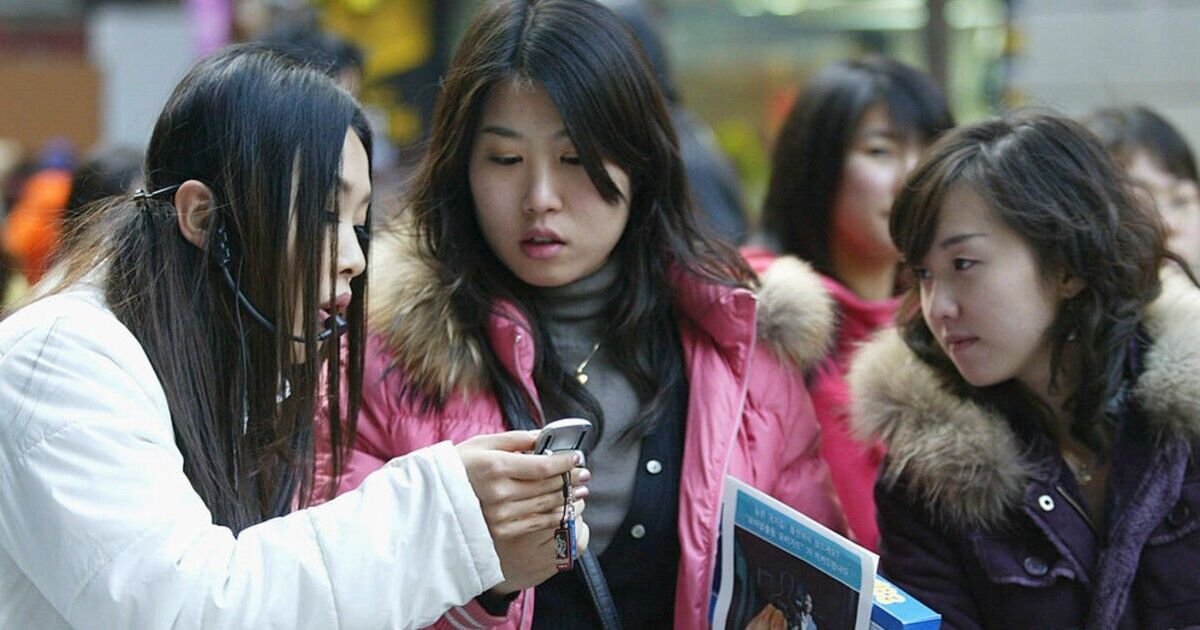
South Korea has become the latest country to restrict the use of mobile phones and smart devices in schools. MPs voted to outlaw their use during class hours in schools, making the East Asian nation the first country to enshrine such a ban in law.
The bill passed convincingly on Wednesday afternoon, with 115 votes in favour out of 163 members present. It was introduced by Cho Jung-hun, an MP from the opposition People Power Party. He told reporters that there was “significant scientific and medical proof” that smartphone addiction has “extremely harmful effects on students’ brain development and emotional growth”.
The ban has broad support from parents and teachers, but also its sceptics – especially among students. Those against the ban question how it would work, its wider implications and whether it is addressing the root cause of addiction.
Authorities have become increasingly concerned over the growing number of people across the ages spending excessive time on their phones.
Nearly a quarter of the country’s 51 million people depend on their phones too much, according to a 2024 government survey. But that figure more than doubles – to 43% – for those between the ages of 10 and 19.
More than a third of teenagers also admit to being unable to control the amount of time they spend scrolling through videos on social media.
Parents have broadly welcomed the move, saying mobile phones are stunting their children’s social skills and ability to concentrate.
Choi Eun-young, mother of a 14-year-old in Seoul, told the BBC: “When they go to school, they’re supposed to study, but also build friendships and take part in various activities. Yet they’re unable to focus on those things.
“Even when they’re chatting with friends, they quickly go back to their phones, and naturally this interferes with learning as well.”
The new law is to come into effect from the next school year in March 2026, and will also allow teachers to stop students from using their phones on school premises, as well as in classes.
It contains some exceptions, namely permitting students with disabilities or special educational needs to use assistive devices.