


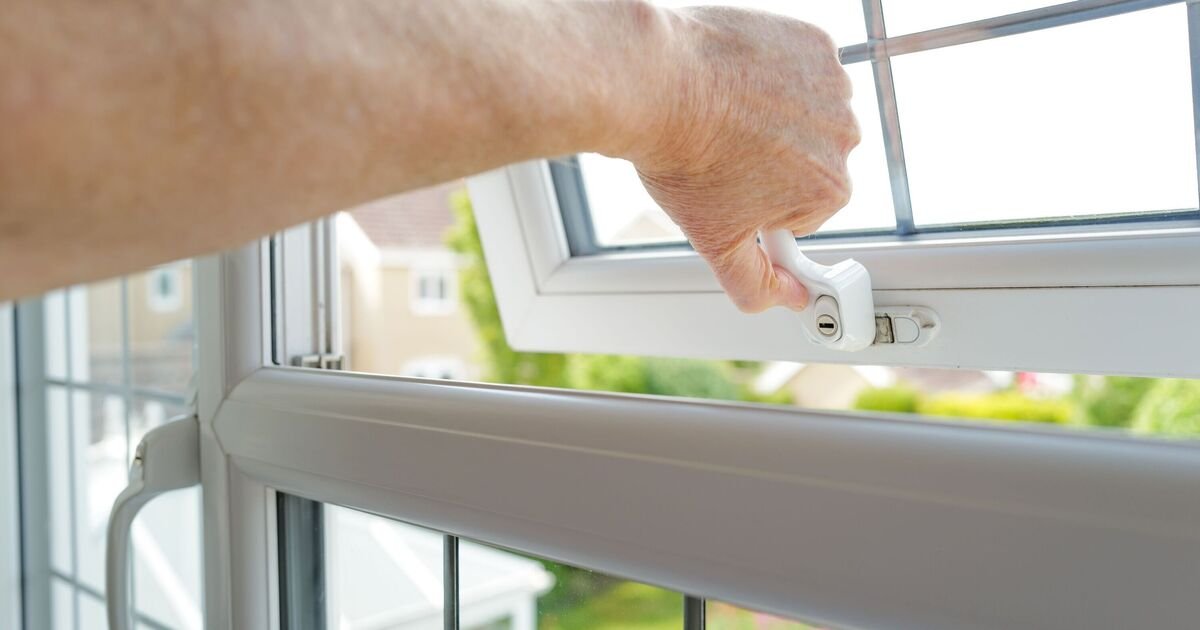
The weather is set to turn next week, but that isn’t the only reason Brits are being urged to shut their windows. Your house could become vulnerable to infestations from a common insect if you keep your windows open as the weather gets cooler, according to an expert.
The Met Office UK forecast predicts temperatures across will dip below 20C on Tuesday, August 26, following a balmy Bank Holiday Monday when it has predicted highs of 28C. However, “unsettled weather” and lower temperatures are set to close in between Tuesday and Thursday, and one window specialist has warned that as nights get colder, one creepy crawly will start to seek warmth indoors.
Alan Reid, double-glazed windows expert at Art Windows and Doors, advised that the next four weeks are essential.
“Male house spiders and false widows are on the move, and homes with open windows are at risk of infestation. Now is the time to seal gaps and shut windows before spider season peaks,” he warned. Reid advised that spiders move indoors at dusk, so shutting windows from 7pm onwards is the simplest defence to prevent them from entering.
He added: “By taking simple precautions now, Brits can enjoy the Autumn air without unwelcome eight-legged visitors creeping into their homes.”
You could also seal gaps and cracks in windows with weatherstripping or sealant, and spray natural repellents around door or window frames, like peppermint, tea tree, or lavender essential oils mixed with water.
Regular dusting and vacuuming can also help remove hiding spots and food sources for spiders.
Reports suggest the noble false widow spider (Steatoda nobilis) is becoming increasingly common in UK homes. If you do spot one, Reid urges residents to stay calm and to release them outside humanely using the glass and paper method.
They’re not aggressive and, as the Natural History Museum highlights, they will only tend to administer a venomous bite if they are trapped or squashed, often in clothing.
In the rare case that you do get bitten, reactions are typically mild and can cause symptoms similar to a bee or wasp sting, which can usually be managed at home.
However, St John’s Ambulance advised that in the very rare case you have a severe allergic reaction, also known as anaphylaxis, you should call 999 or 112 straight away.