
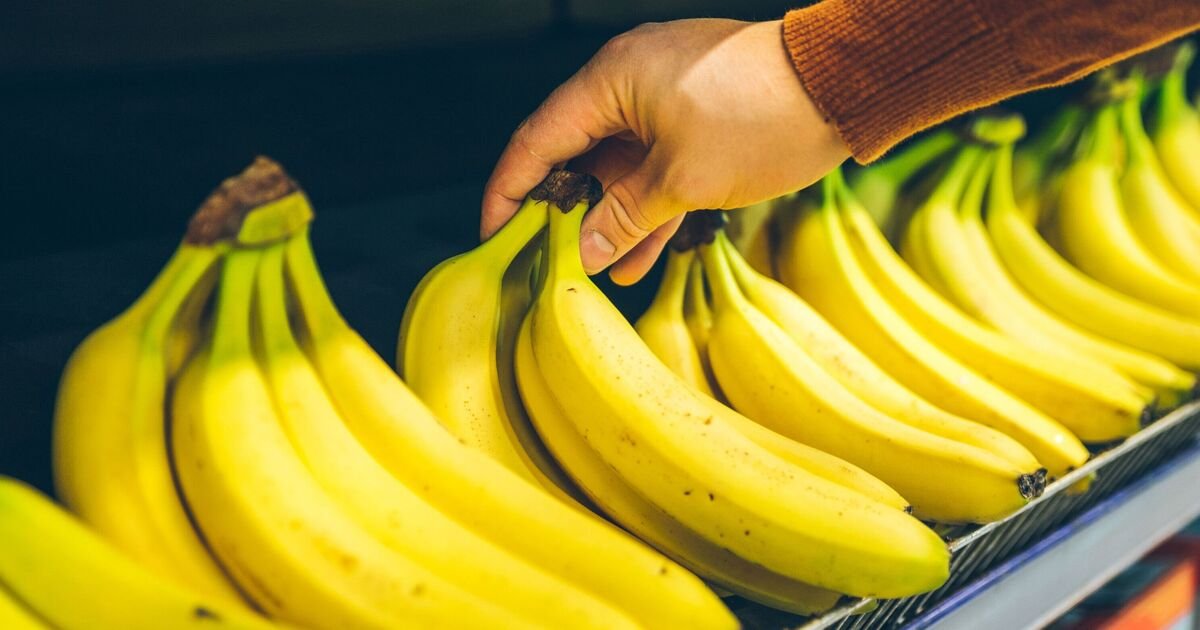


Selecting the right bananas at the store can make a big difference. (Image: Getty)
Bananas are a staple in most kitchens. They’re quick to grab, easy to eat and packed with nutrients. But if you’ve ever bought a bunch only to find them spoiling in days, you’re not alone. Selecting the right bananas at the store can make a big difference to how long they stay fresh at home.
There are a few key signs to watch for before you put them in your basket, and knowing what they are can help you keep your fruit tasty for longer. According to experts at Healthy Green Kitchen, checking for certain features when buying bananas will help you pick the best and longest-lasting bunch. Here are the five things to look out for.
READ MORE: Bananas will stay fresh and firm 1 week longer when placed in spot in fridge
READ MORE: Keep bananas fresh for weeks by using two kitchen ingredients

A green, firm stem is a good sign the bananas will ripen well over time. (Image: Getty)
1. Check the stem for freshness
A green, firm stem is a good sign the bananas will ripen well over time. Avoid ones with brown or brittle stems, as these may not ripen evenly.
An intact stem also helps control the release of ethylene gas, which plays a key role in the ripening process. Damaged stems can make bananas overripen too quickly.

The peel’s colour tells you how ripe the fruit is. (Image: Getty)
2. Look for the right colour
The peel’s colour tells you how ripe the fruit is. Green bananas will take a few days to ripen, bright yellow bananas are ready to eat, and those with a few brown spots are at their sweetest.
If the peel is mostly brown, the fruit is likely past its best. If you want bananas to last over several days, choose a mix of green and yellow so they ripen at different times.

A gentle squeeze can help you judge ripeness of bananas. (Image: Getty)
3. Feel for firmness
A gentle squeeze can help you judge ripeness. Ripe bananas should feel firm with a slight give. If they are too soft, they may be overripe or have bruising inside.
Firm bananas with no mushy spots will last longer and are better for snacking, while softer ones are still fine for baking or smoothies.

Large dark patches or obvious bruises mean the fruit has internal damage. (Image: Getty)
4. Avoid bananas with bruises
Large dark patches or obvious bruises mean the fruit has internal damage. This can affect the taste and speed up ripening.
Choose bananas with smooth, unblemished skin. A few small spots are normal, but widespread bruising is a sign the fruit may not last long.

Tiny holes or unusual marks on the skin can point to pest damage or disease. (Image: Getty)
5. Inspect for pests or disease
Although rare, tiny holes or unusual marks on the skin can point to pest damage or disease. This can shorten shelf life and affect quality.
Always choose bananas with clean, intact skins to make sure they’re healthy.
