
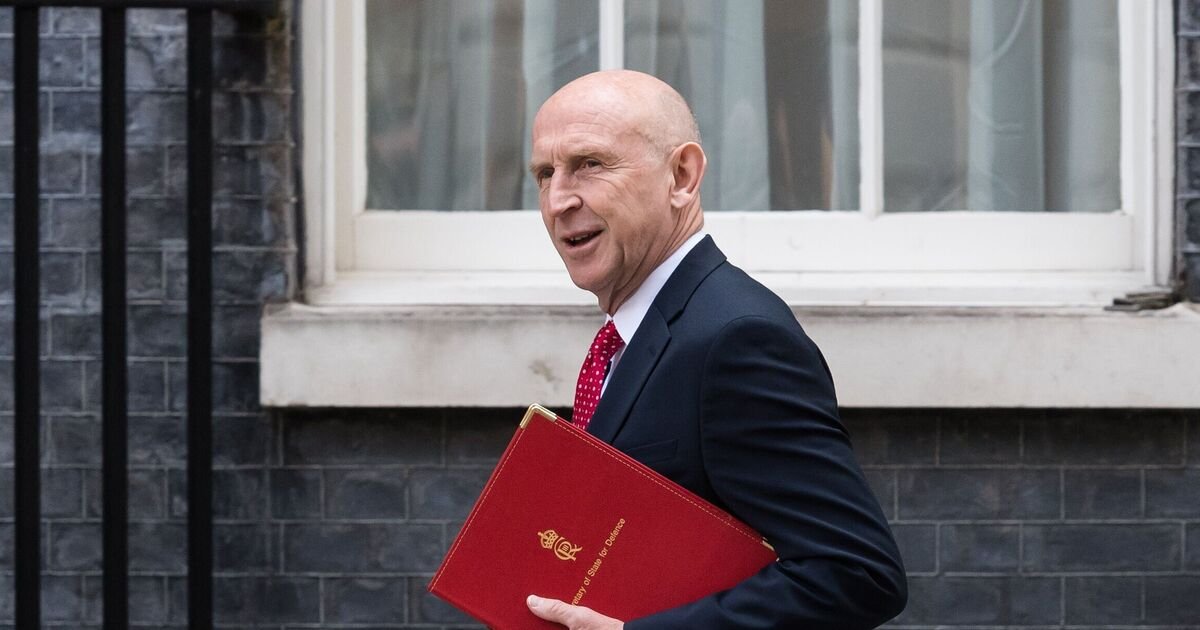

The recently uncovered Afghan asylum scheme, revealed under the spotlight of a House of Commons statement by Defence Secretary John Healey, is not just another bureaucratic misstep. It is, in the bluntest terms, a national scandal. As a former officer in the British Army, I find the circumstances around this revelation deeply disturbing—not only for what it says about our Government’s operational competence, but for what it reveals about our moral compass.
The facts are stark. Nearly 19,000 Afghans who supported British forces during the conflict had their personal data exposed—potentially placing them and their families in immediate danger from the Taliban. Over 6,000 of them are now to be relocated to the UK as part of a quietly initiated scheme that was kept from public view until now. The Defence Secretary has issued a formal apology, but the damage has been done.
Let’s not sugarcoat this. This is a Public Relations catastrophe for the Government and the Ministry of Defence. But more gravely, it is a moral and ethical disaster. That such a serious security breach could be quietly brushed under the carpet in the hope it might never surface speaks volumes about how reputation management has apparently taken precedence over protecting human lives.
The Ministry of Defence should have been forthright the moment the leak was discovered. Instead, it appears there was a concerted effort to suppress information about the incident and the subsequent relocation scheme. This raises fundamental questions about transparency, accountability, and where the priorities of our Government lie.
Much of the blame has, conveniently, been laid at the feet of a Royal Marines officer who reportedly made the initial error that exposed the data. Let’s be clear: it was a disastrous mistake. But we must resist the urge to scapegoat individuals when the true failing is systemic. The MoD’s data handling protocols, oversight mechanisms, and culture of secrecy are all culpable. Pinning this entire debacle on one officer is an attempt to shield broader institutional failings from scrutiny.
In military operations, trust is not just an ideal—it is a necessity. Our Afghan interpreters, fixers, and local allies put their lives on the line for British forces. Many did so at great personal risk, with the understanding—tacit or explicit—that the UK would stand by them. That this trust has been betrayed so carelessly is an indictment of how we honour our commitments.
The scheme’s secrecy has also bred deep suspicion among veterans and serving personnel alike. It suggests that the Government is more concerned with avoiding headlines than preventing harm. For former servicemen and women like myself, this is a bitter pill to swallow. The people we served alongside deserved better.
It is time for a thorough, independent investigation—not just into the leak itself, but into how it was handled, what checks and balances failed, and why the public was kept in the dark. This isn’t about point-scoring or political theatre. It’s about restoring faith in our institutions and ensuring those who helped us are not left behind, abandoned by the very country they risked everything to support.
If we are to continue claiming any moral high ground in foreign policy or military engagement, then we must first put our own house in order. That begins with honesty, accountability, and a recommitment to the values we profess to hold dear. We owe our Afghan allies not just safe passage, but the dignity of truth and the assurance that their sacrifices—and ours—have not been forgotten.
Lt Col Stuart Crawford is a political and defence commentator and former Army officer. Sign up for his podcasts and newsletters at www.DefenceReview.uk
