


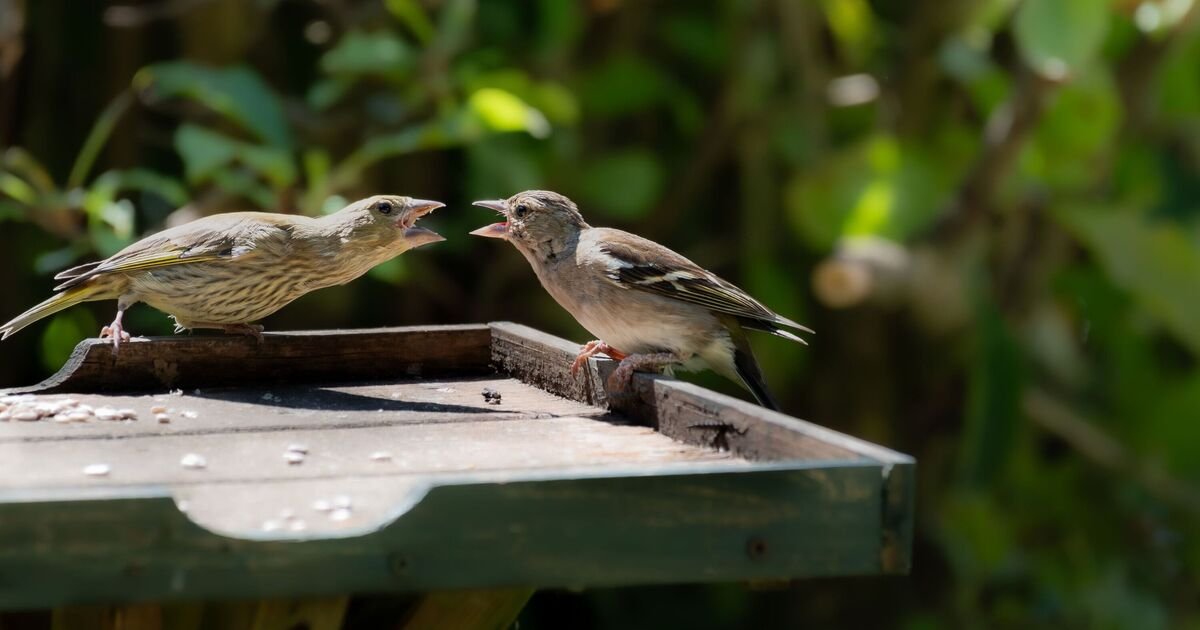
With more hot weather forecast for the UK this week, people are being urged to add one thing to their gardens to help wildlife. As temperatures are forecast to hit 30C in parts of the UK, birds are going to need a little extra help with the scorching weather.
Research shows that when dry seasons like those in summer get just 1C hotter, birds’ chance of survival for the whole year drops by about 63% on average. If you want to help birds in your garden thrive this summer, there is one thing you need to do before the hot weather hits that can help keep them healthy. Lucy Taylor, garden wildlife expert at Vine House Farm Bird Foods, says providing them with a much-needed food source is a great way to help them.
She said: “The main food that most garden birds need at this time of year is invertebrates, including caterpillars, flying insects, earthworms and snails.
Even species like the house sparrow that feed on seeds for much of the year will partly switch to invertebrates during the breeding season because the protein and moisture they contain are what their chicks need to grow and survive.”
To ensure the birds in your garden are getting what they need, you can provide them with dried mealworms soaked in water to help them cope in the hot weather.
Lucy said: “They must be first soaked in cold water for a few hours before putting them out. Sultanas are another food which are good for some species of garden bird, but again, it’s essential they’re first soaked in water.”
Another way you can help birds cope in the heat is by ensuring they have access to fresh clean water in your garden.
Lucy said: “Access to clean water can be a lifesaver for birds when there’s no natural source of water close by, but dirty water in bird baths is a real hazard as it can cause and spread disease in birds.
“So keep the bird bath clean and full with fresh water throughout the day. The other thing you can do is add a further source of clean water in your garden, which can be any sort of shallow dish or tray – e.g. the sort that goes under a plant pot.”