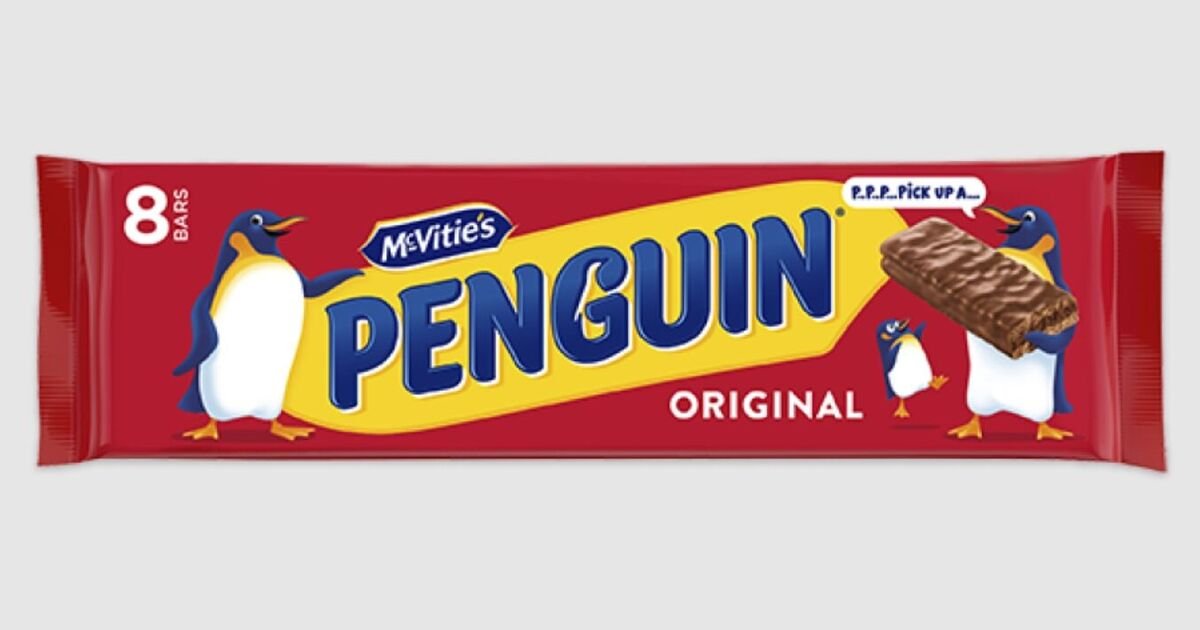

For generations, Penguin bars have been a fixture of British lunchboxes – a familiar promise of biscuit, cream and chocolate. But after more than ninety years on supermarket shelves, McVitie’s has confirmed that Penguins can no longer legally be described as chocolate.
The decision follows a quiet but significant reformulation by the brand’s parent company, Pladis, which has altered the coating on both Penguin and Club bars. Instead of a full chocolate layer, the bars now feature what the company calls a “chocolate flavour coating with cocoa mass”, a small but crucial distinction that has forced McVitie’s to re-label packaging and advertising across the range.
The change has nothing to do with marketing trends or brand image. It is, in the company’s words, a response to soaring ingredient costs – particularly cocoa, which has reached record highs on the world market.
Crops in West Africa, where around 70 per cent of the world’s cocoa is grown, have been hit by extreme weather, flooding and disease.
Ghana and Ivory Coast, the two biggest producers, have each suffered several consecutive poor harvests. On the London Cocoa Futures market, prices have risen from around £2,200 a tonne in spring 2023 to more than £10,000 by April 2025.
That global shortage has left manufacturers in a bind. With chocolate prices more than doubling, Pladis opted to reformulate rather than raise the price of Penguin bars beyond reach for everyday shoppers.
The move also affected other products in its portfolio, including Mini BN biscuits and BN Mini Rolls, whose coatings have been adjusted to include less cocoa butter and more plant-based oils such as palm and shea.
By law, the UK’s Food Information Regulations require a minimum cocoa content of 20 per cent for a product to be marketed as “milk chocolate”. Anything lower must be labelled as “chocolate-flavoured”. That threshold has been in place since the 1970s and applies to coatings as well as full bars.
It also means a change to one of Britain’s most recognisable jingles. The old slogan – “If you like a lot of chocolate on your biscuit, join our Club” – no longer fits. Adverts now carry the altered line, “If you like a lot of biscuit in your break, join our Club.”
In a statement, Pladis said consumer testing suggested the difference was barely noticeable: “Sensory testing with consumers shows the new coatings deliver the same great taste as the originals.”
The Penguin, first produced in 1932, has long been part of Britain’s snack tradition. It was created by Glasgow baker William Macdonald and later became a McVitie’s product when the company expanded its biscuit line in the post-war years. Known for its playful penguin cartoons and cheeky jokes printed on the wrappers, it has remained a family staple for decades.
