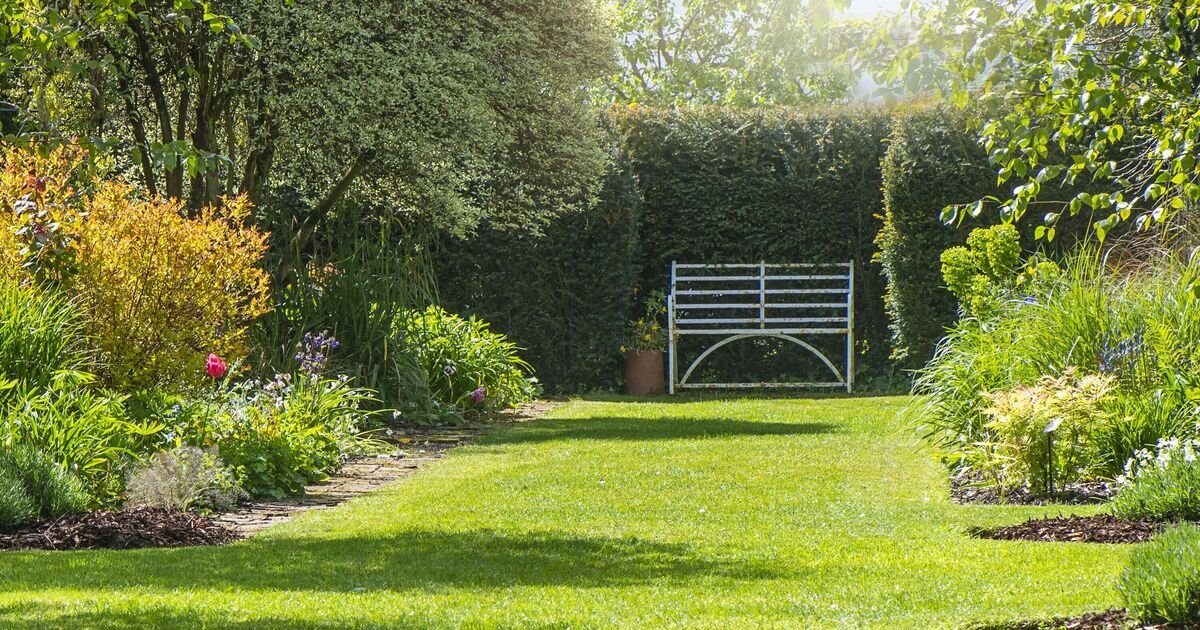

The last dregs of sunshine and warmth are still clinging on despite the change of the seasons, which means there’s still time to enjoy spending time in the garden before putting it to bed for the winter.
The warm summer months are when gardens are in their prime, with colourful flowers in full bloom, an abundance of wildlife and plenty of fruiting crops, but the heat can cause grass to become stressed, leading to brown patches across your lawn. As a result, your lawn can be left looking tired after a long summer, particularly after little rainfall, so autumn is the time to get it back in good shape ahead of the winter season.
According to gardening experts, three essential steps can help ensure your lawn grows back thicker, greener and healthier, so it stays looking luscious and is well protected as the cold and wet weather arrives.
The first step to achieving a healthier, greener lawn is to mow your lawn, but do this less frequently in the autumn. Mowing encourages grass to grow and helps to stop any autumnal weeds developing and stealing all the nutrients.
The Royal Horticultural Society (RHS) recommends mowing around once a week or fortnightly when the weather is mild to keep it in good condition, as grass continues to grow in temperatures above 5C.
The second step is to avoid cutting your lawn too short by adjusting the height of your lawnmower blades. This helps to reduce stress on your lawn and allows the blades of grass to retain more moisture, helping it to stay green and healthy.
The Turf Doctor explains: “Regularly mowing your lawn helps make the grass greener and thicker. You might have heard that getting your hair trimmed regularly helps it to grow faster, and the same goes for the grass on your lawn!
“Regular mowing encourages grass to grow thicker and greener through a process known as the “stimulation effect.” When you mow your lawn consistently and at a decent height, you remove the top portion of the grass blades, which prompts the grass to respond by producing new shoots and leaves.
“This stimulates lateral growth, promoting a denser turf as the grass plant works to compensate for the loss of leaf on top. Plus, regular mowing has the additional benefit of preventing weeds from developing, so your grass gets a greater share of all the good stuff: available sunlight, nutrients, and water. It can allocate more resources to growth, leading to a thicker and healthier lawn with a lush green appearance.”
Raising the height of your lawn mower also helps to keep your grass thick, healthy and more weather resilient during the colder months.
The RHS adds: “Mow less frequently and raise the height of cut as the growth rate starts to slow into autumn. This will help the grass withstand the last of the warm, dry weather, and also make it more resilient to being walked on when wet weather arrives.”
The third essential step to a healthier looking lawn is to apply an autumn feed on your lawn to help strenghten the roots and improve resistance to disease.
Autumn fertilisers contian higher levels of potassium which toughens the grass blades to make them more resilient against frost, while lower levels of nitrogen help avoid stimulating new, vulnerable growth that would easily be killed in cold weather.
Experts at Love the Garden explain: ” If your lawn looks tired after a long summer, give it a boost by applying a specialised autumn lawn feed. It’s best to use an autumn lawn feed rather than a spring and summer feed, because autumn grass feeds are low in nitrogen and don’t encourage leafy growth which could be damaged by frosts.
“Instead, autumn lawn fertilisers are high in potassium and phosphates which harden the grass in preparation for cold conditions and encourage good root growth over winter. Autumn is also a good time to tackle moss, using an autumn lawn weed and feed product.”
