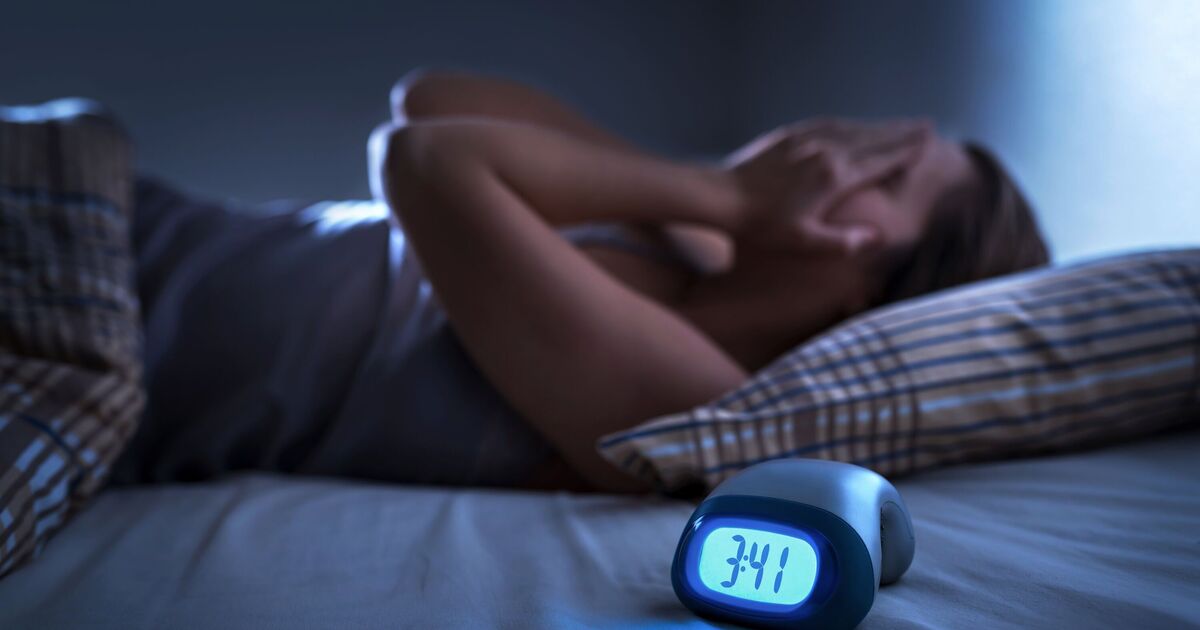

Picture this, you’re enjoying a night of deep sleep before your peace is interrupted by a random jolt that makes you wake up. You check the time and your clock shows a time between 3 and 5am – hours earlier than your internal clock was supposed to set off.
If you’ve experienced that scenario, rest assured it’s definitely not a rare occurrence, although not exactly ideal.
This phenomenon has been well-documented across history, starting with Scandinavian folklore. For the ancient Nordics, the earliest hours between night and dawn were known as the “hour of the wolf” – the time “when most people die, sleep is deepest, and nightmares are most real,” as described in Ingmar Bergman’s 1968 psychological horror film of the same name.
Some religions also refer to this window as the “devil’s hour,” a period when ghosts and demons are thought to be most active, and supernatural visions most common.
But there’s no need for alarm – science offers a far more reassuring explanation. Human bodies follow a circadian rhythm, a natural 24-hour cycle that regulates sleep, hormone levels, and other crucial bodily functions in response to light and darkness.
So why do these early-morning wake-ups happen? Experts say there isn’t always a single cause, but understanding the most common triggers can help you reclaim a restful night.
Bathroom breaks
For some, waking up at 3am isn’t a mystery at all – it’s simply biology. Nocturia, or waking up to urinate during the night, is a common cause of early-morning wakefulness. It can be triggered by drinking excessive fluids before bed, especially coffee or alcohol, but can also point to underlying conditions such as bladder issues, obstructive sleep apnea, diabetes, or even pregnancy.
Environmental disturbances
Your sleep environment plays a huge role in whether you stay asleep. It might be obvious: Nighttime noises – from traffic outside to a buzzing phone or television in the next room – can easily jolt you awake. Even dim light sources, such as a streetlamp shining through a window or a nightlight, may be enough to disturb sleep.
This is particularly true in the early hours of the morning when the body spends more time in lighter stages of sleep. As you progress through the night, deep and REM sleep give way to lighter sleep, leaving you more vulnerable to waking from environmental noise or light.
Hormonal changes
Menopause is another frequent culprit. Fluctuating hormone levels can lead to disrupted sleep, often accompanied by hot flashes, night sweats, and insomnia. And for some, these awakenings continue even after menopause, sometimes linked to ongoing hot flashes or an increased risk of conditions like sleep apnea.
Sleep disorders
Frequent early-morning wake-ups can also be a sign of a sleep disorder like:
Insomnia: Difficulty staying asleep, especially if you remain awake for 30 minutes or more after waking, can indicate insomnia.
Obstructive sleep apnea (OSA): OSA causes pauses in breathing that jolt you awake, though some people may not even realise this is happening.
Circadian rhythm disorders: When your body clock is misaligned with the natural day-night cycle, as with advanced sleep phase disorder, you may find yourself waking up unusually early.
Nightmare disorder: Vivid, distressing dreams often occur in the early morning hours, leaving you wide awake and unable to easily fall back asleep.
Stress, anxiety, or depression
Stress is one of the most common disruptors of sleep. People with high “sleep reactivity” – a tendency to experience poor sleep during stressful periods – are especially susceptible. Anxiety disorders, including panic disorder and phobias, can worsen this pattern.
Depression, too, has a strong link to disrupted sleep. Experts believe it alters the circadian rhythm, leading to irregular sleep-wake cycles that can cause awakenings in the early hours.
Aging
As we age, our circadian rhythms shift, making early-morning wake-ups more likely. Older adults also spend less time in deep sleep, increasing their sensitivity to disturbances. On average, it’s normal for older people to wake up three to four times a night – often due to a combination of lighter sleep, nocturia, and chronic health issues.
How to stay asleep
If you’re waking at 3am and struggling to drift back off, there are practical steps you can take:
Get more daylight exposure, especially in the morning, to help regulate your circadian rhythm. Bright light therapy has been shown to benefit those with insomnia and circadian rhythm disorders.
Exercise regularly – yoga, in particular, has been linked to less time spent awake in bed and faster recovery after awakenings.
Avoid caffeine and alcohol late in the day, as both are linked to poor sleep and increased nighttime awakenings.
Skip late-night meals, as eating close to bedtime can make you more likely to wake during the night
Keep your bedroom dark and quiet, using blackout curtains, sleep masks, or earplugs if needed.
While waking up in the early hours is common and often harmless, persistent disruptions can signal a deeper issue. If your sleep troubles are affecting your quality of life, or you suspect an underlying health problem, it may be time to seek medical advice.
